

“While standard food tours often promise little more than a string of superficial restaurant visits and a token cheesemonger stop, outfits like Zingerman’s are going deeper to explore food’s cultural roots and tapping the cred of celebrity chefs and renowned experts like Barnes.” - Wall Street Journal July, 2023
To read more about the our Irish tour featured in the Wall Street Journal and Sally Barnes click HERE
2024 tours

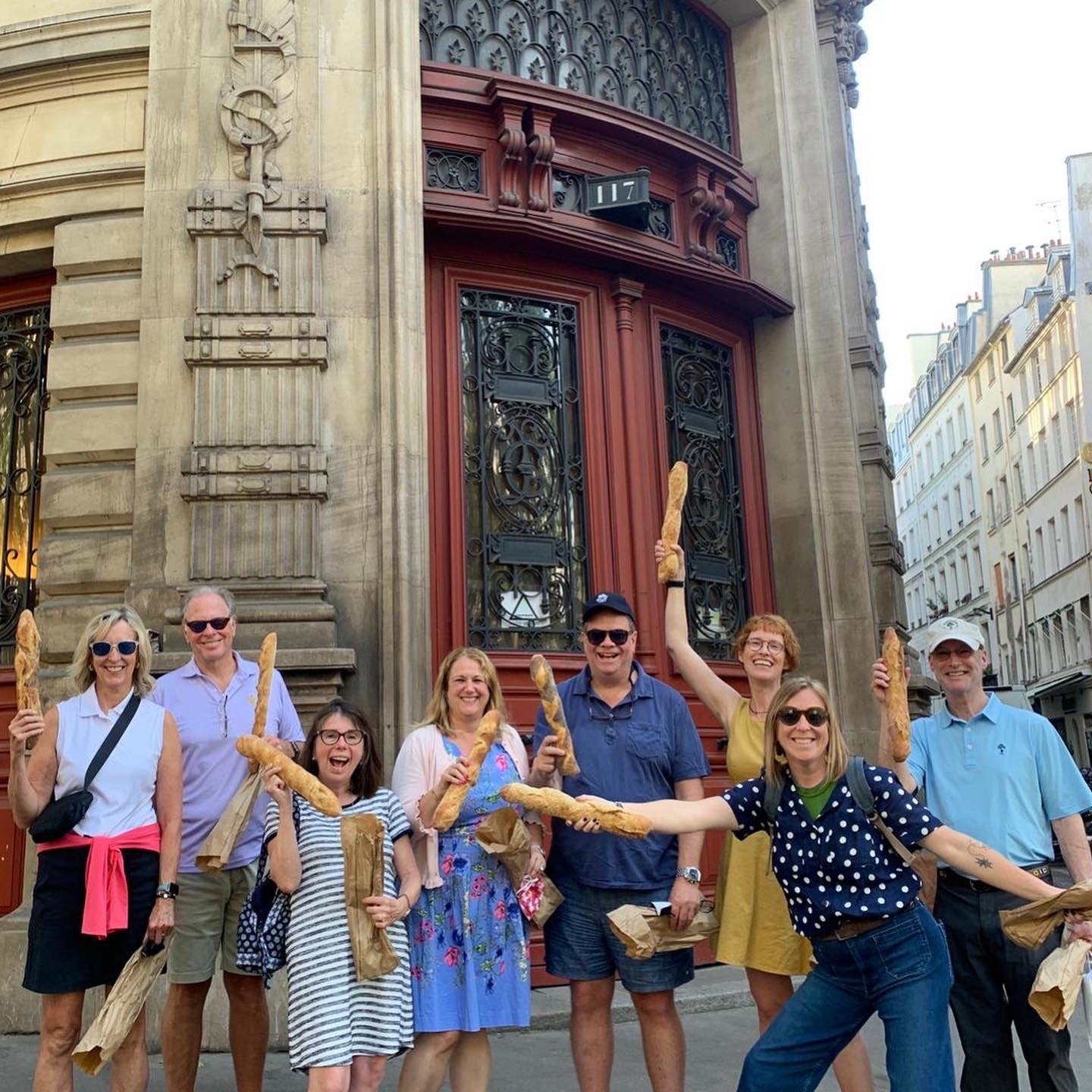
Paris & Champagne, France
MAY 10-18, 2024
8 seats remaining
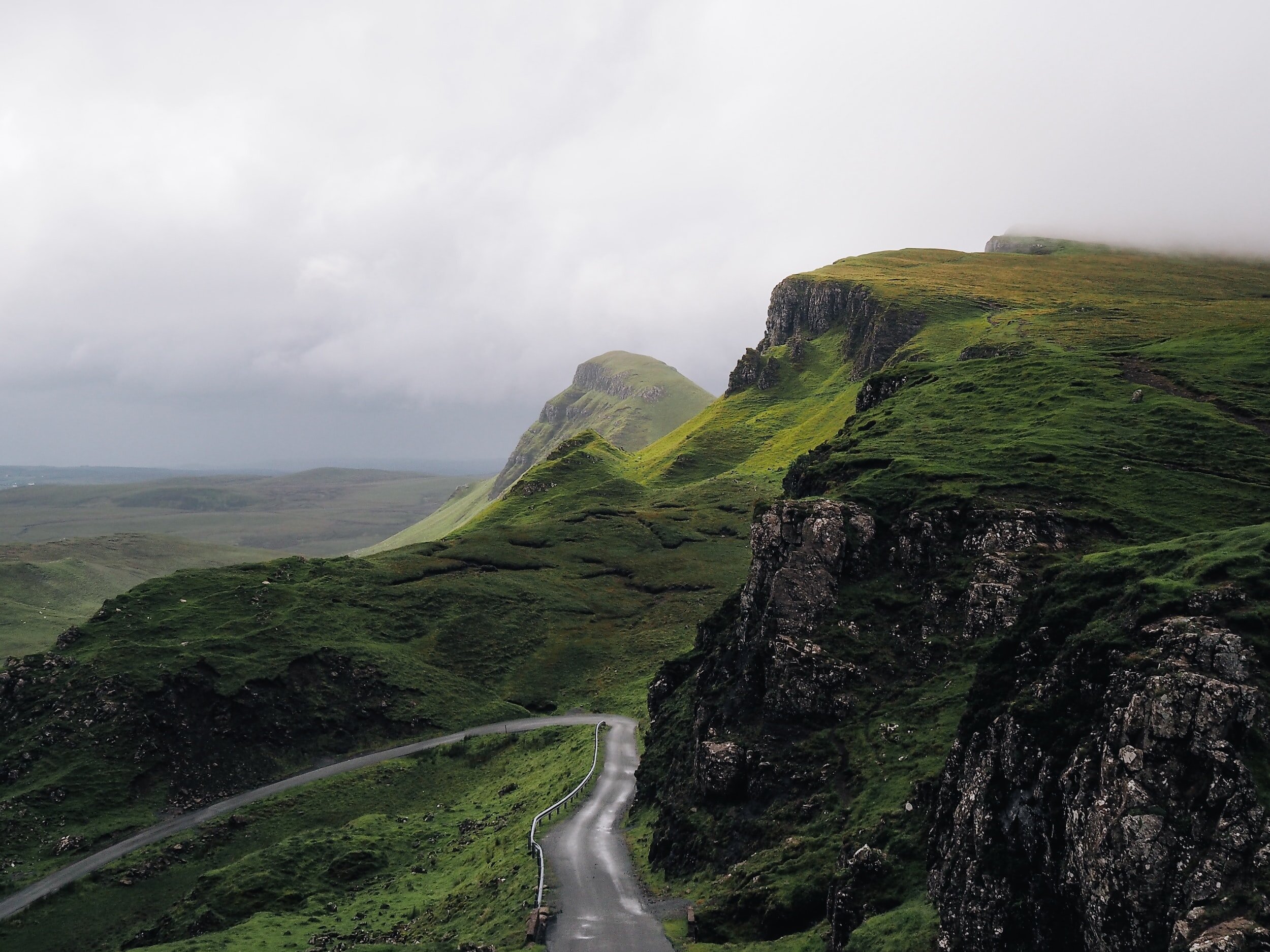
Ireland
MAY 13 -22, 2024
2 seats remaining
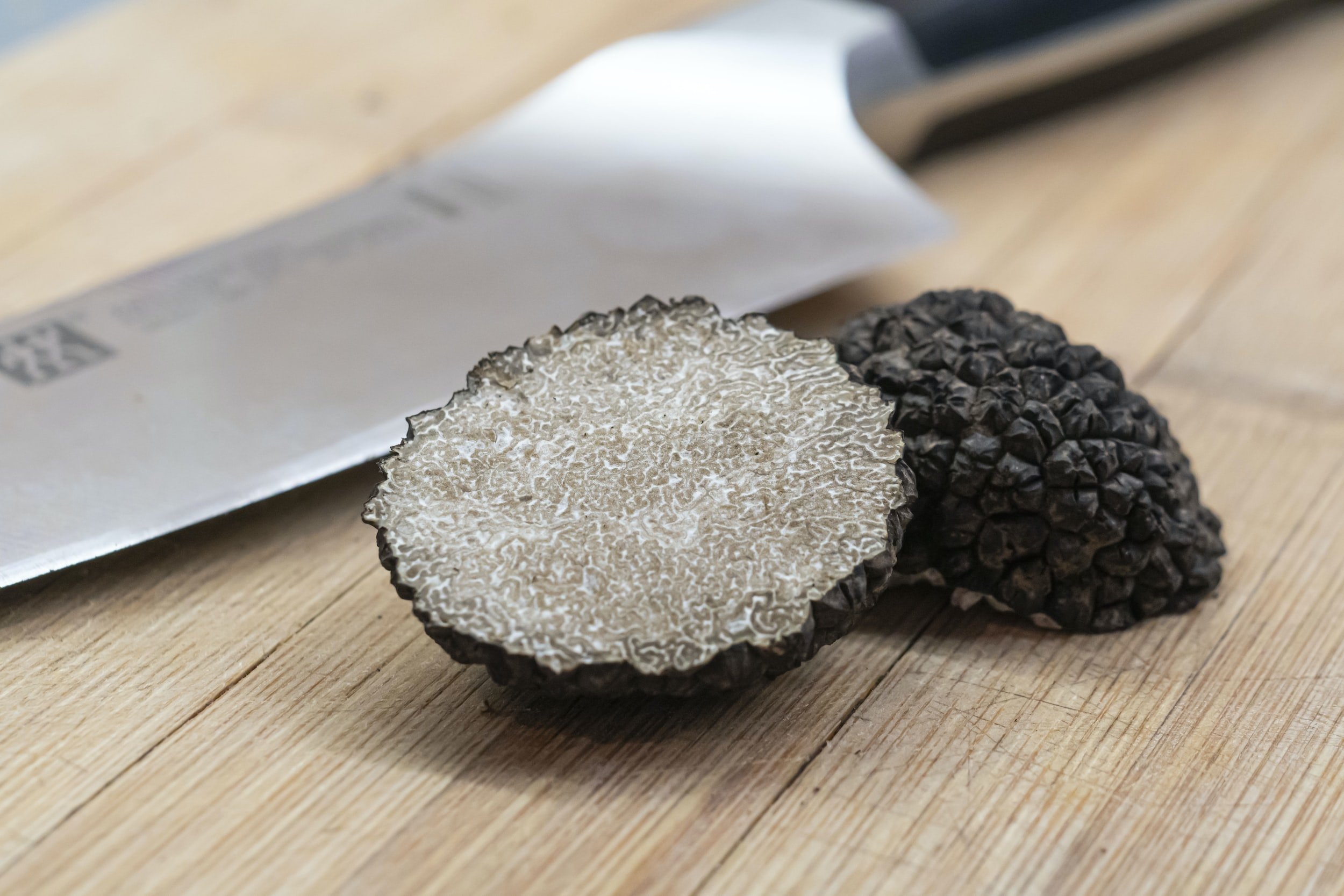
Piedmont, Italy
JUNE 6 -13, 2024
SOLD OUT
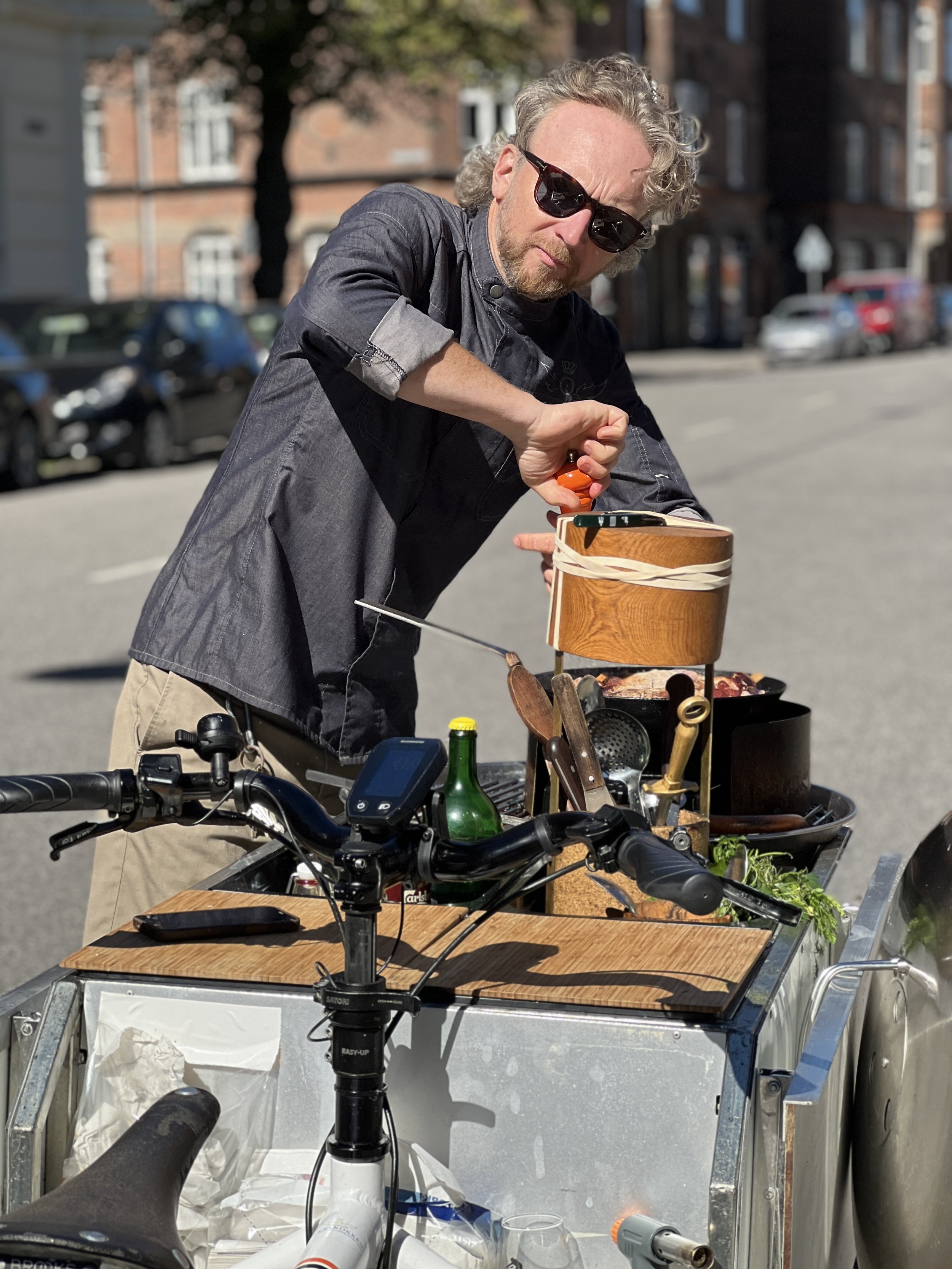
Denmark
AUG 21 - 30, 2024
2 spots remaining
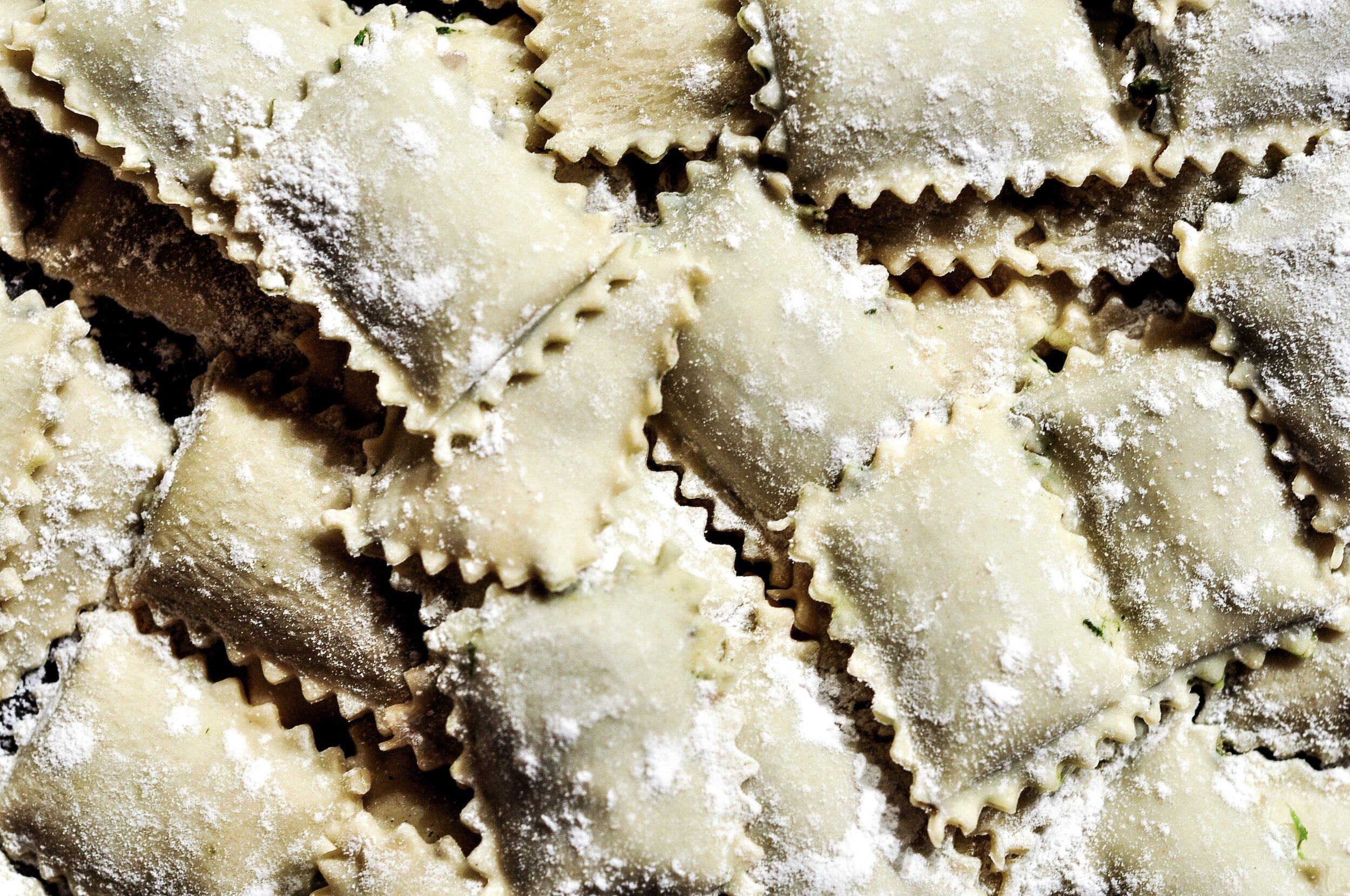
Piedmont
Aug 28 - Sept 4
10-12 people (4 rooms remaining)
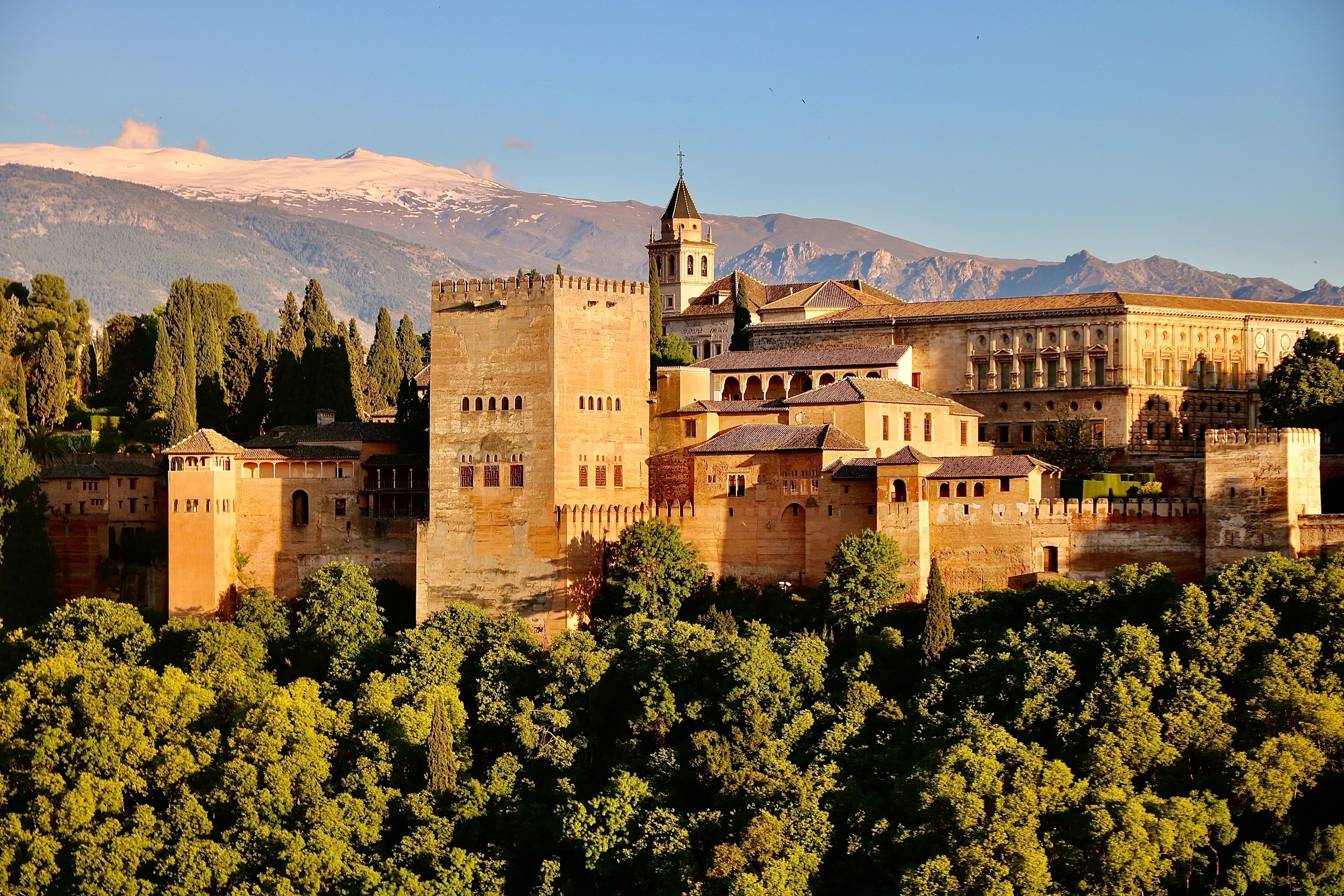
Andalucia, Spain
OCTOBER 5 - 13, 2024
2 seat remaining
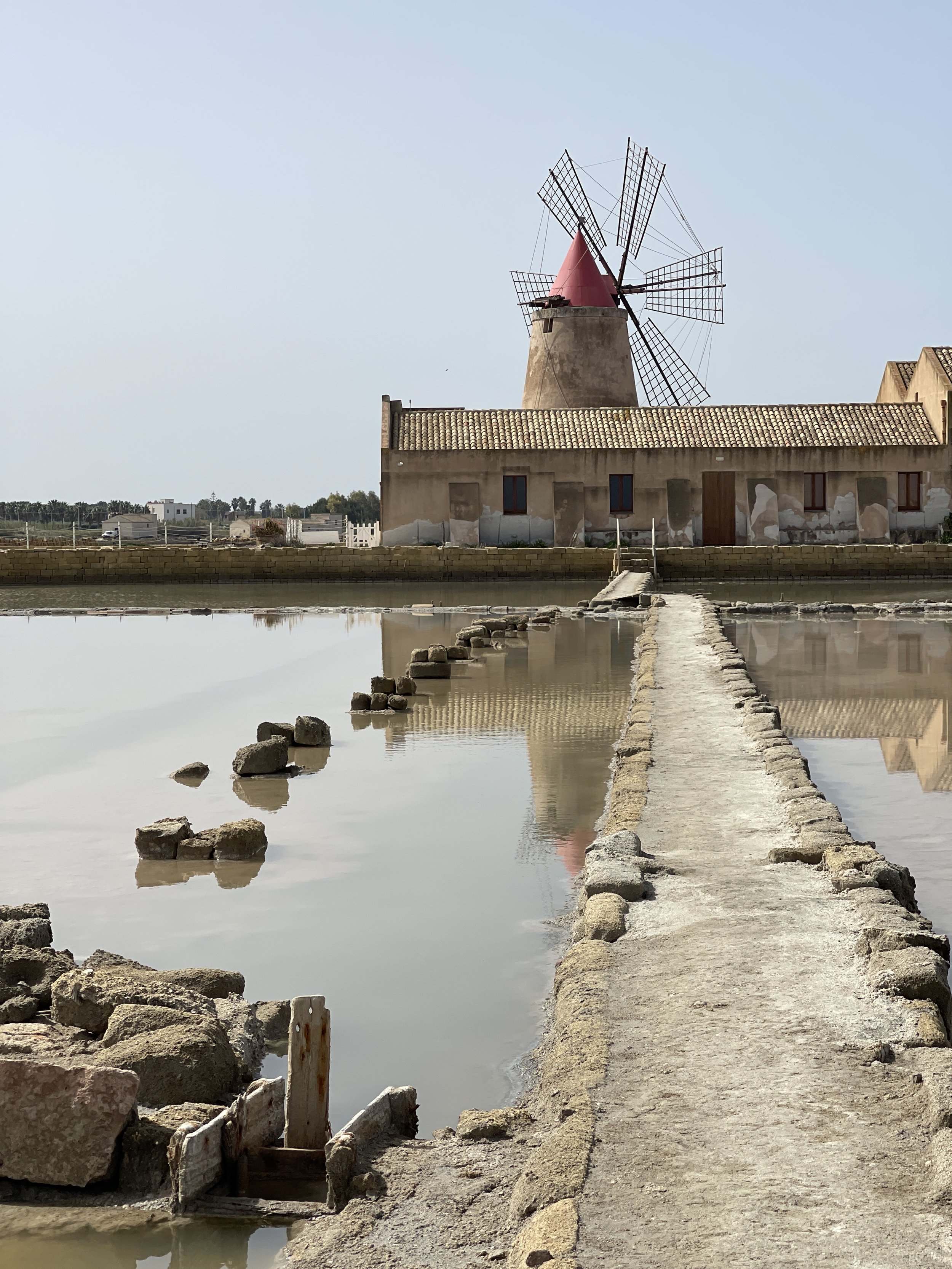
Sicily, Italy
Oct 21 - OCT 31, 2024
12 seats remaining
2025 TOURS
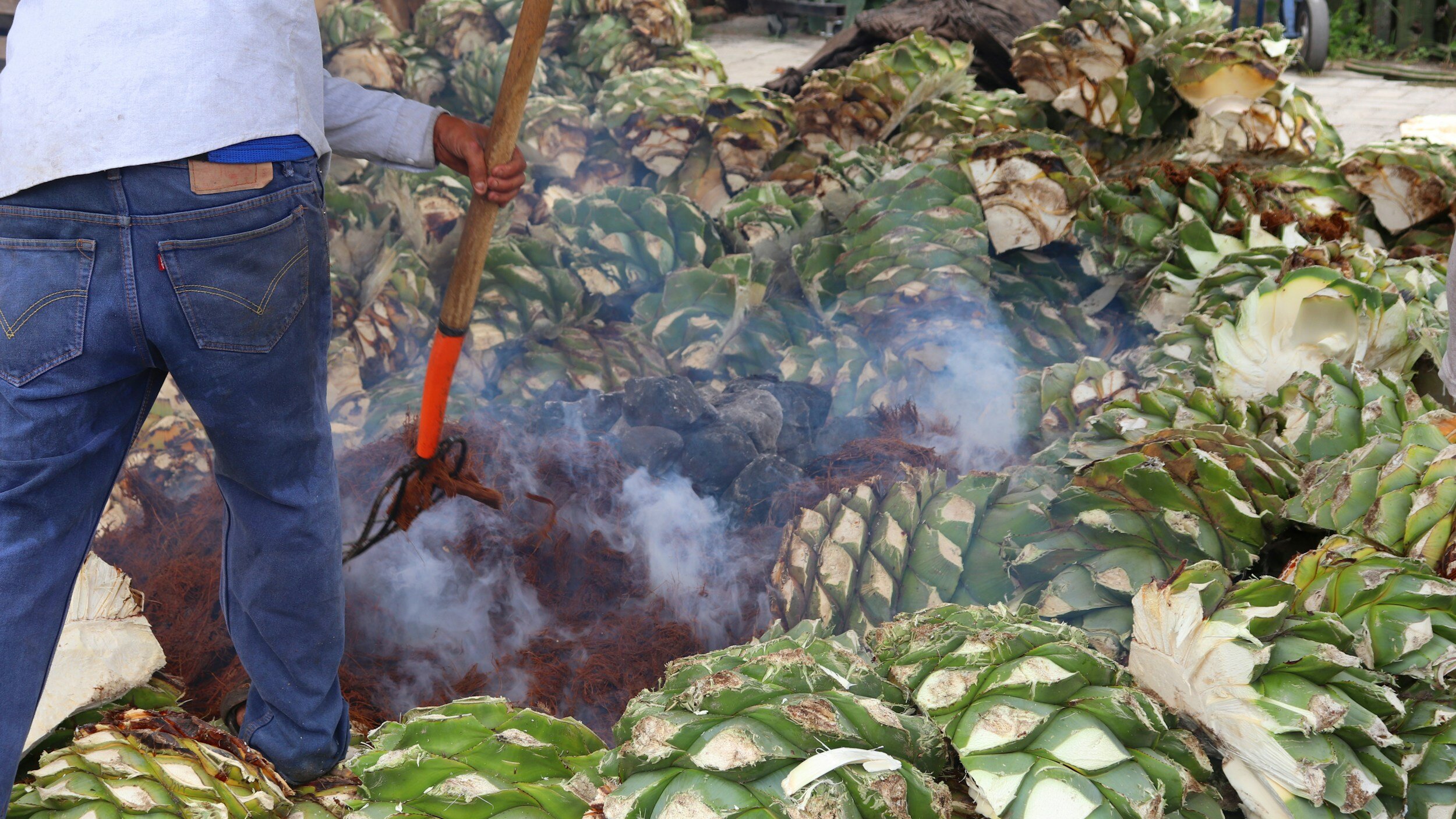
Oaxaca, Mexico
February 3 - 10, 2025
8 seats remaining
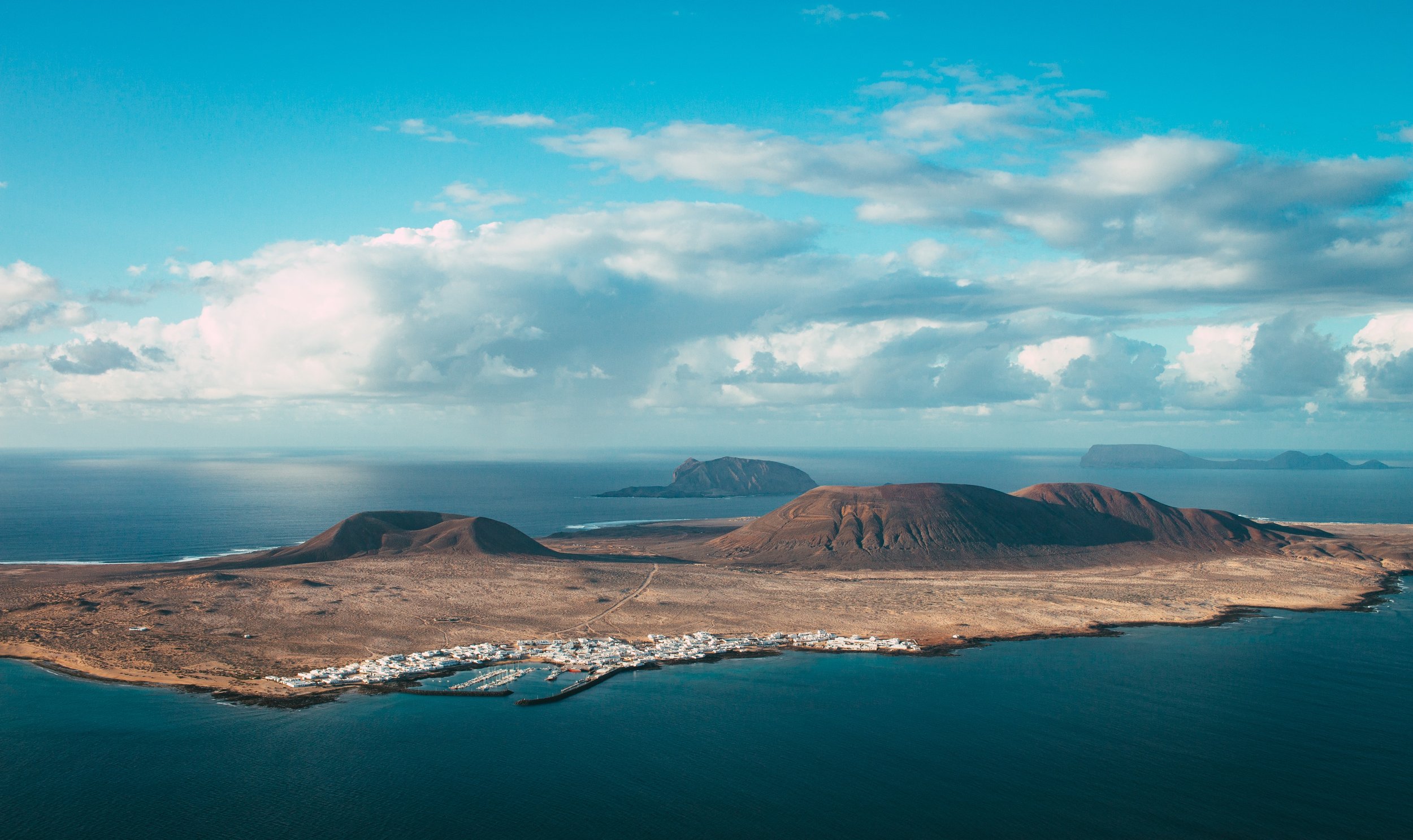
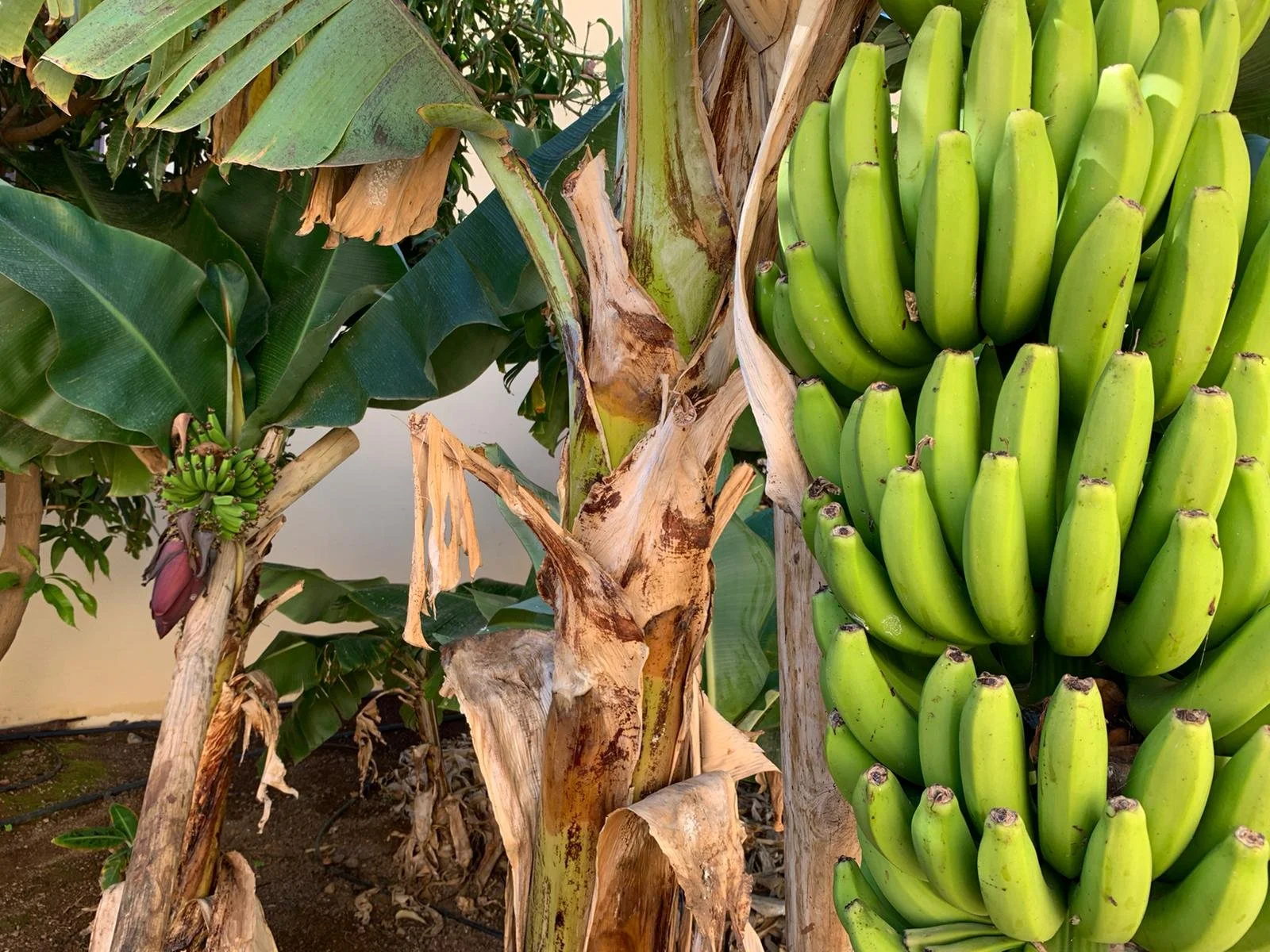
Canary Islands
Feb 22 - Mar 2, 2025
12 seats remaining
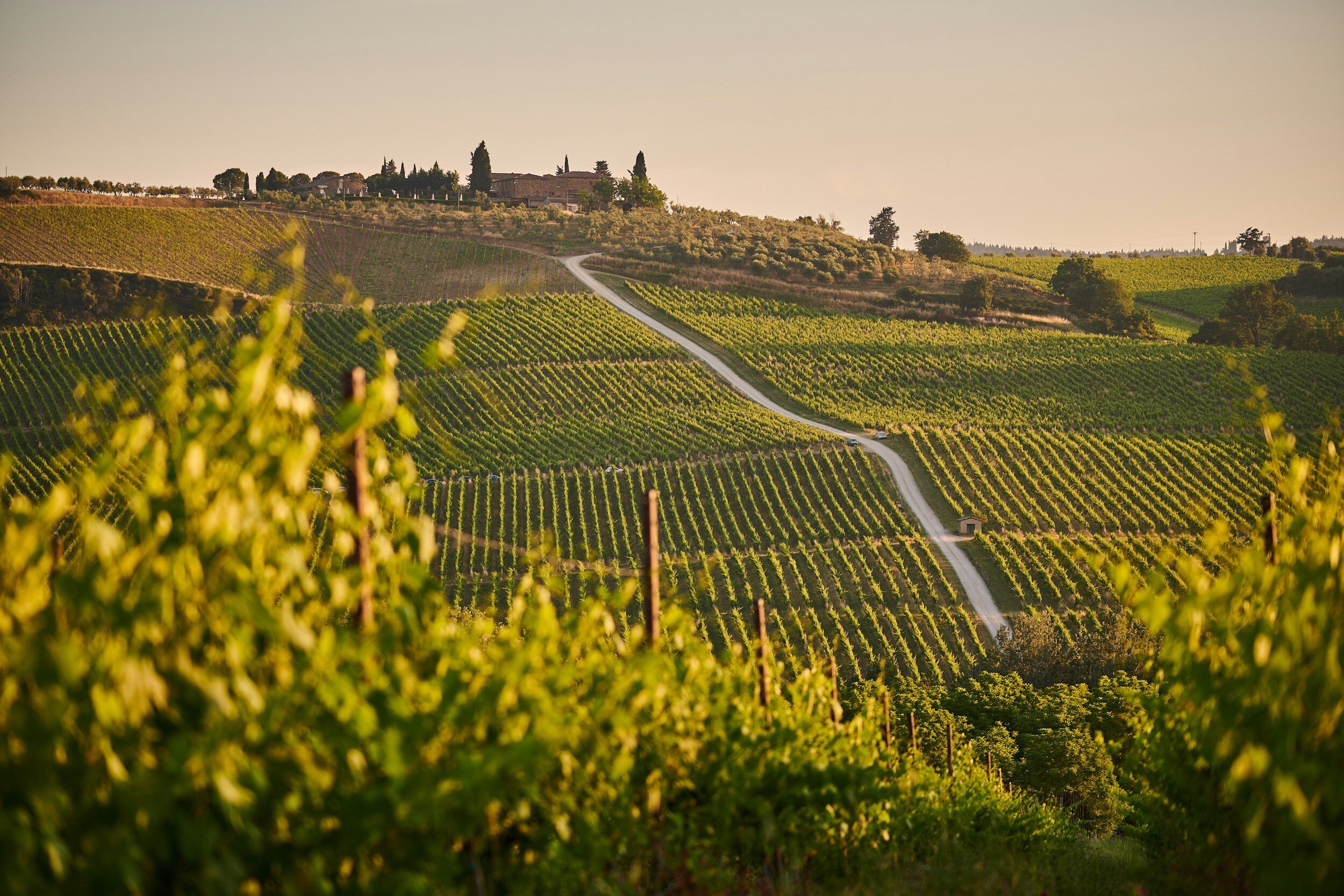
Tuscany, Italy
March 31 - April 6, 2025
12 seats remaining

Lyon & Jura, France
April 9-16, 2025
12 seats remaining
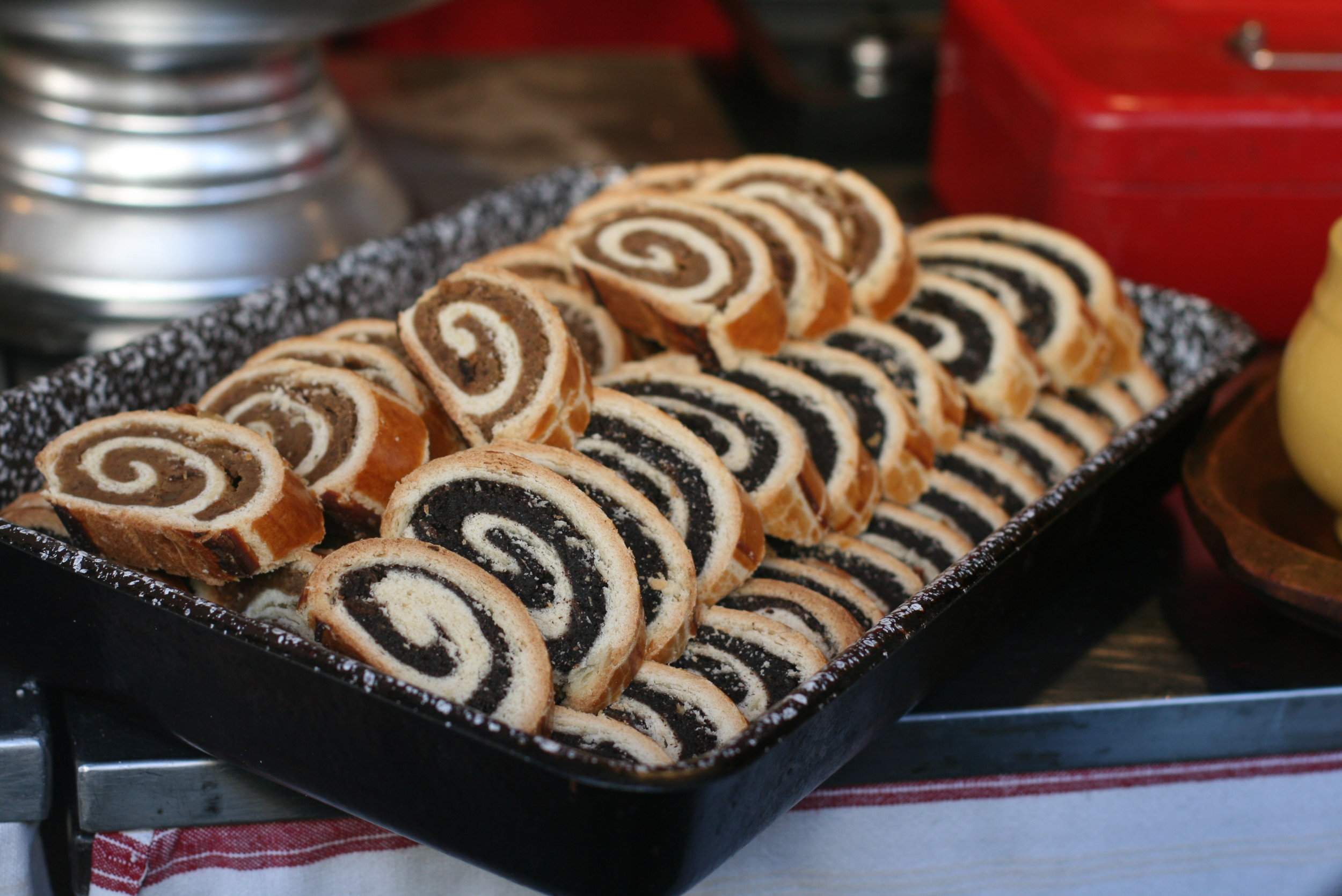
Hungary
MAY 5 - 12, 2025
10 seats remaining
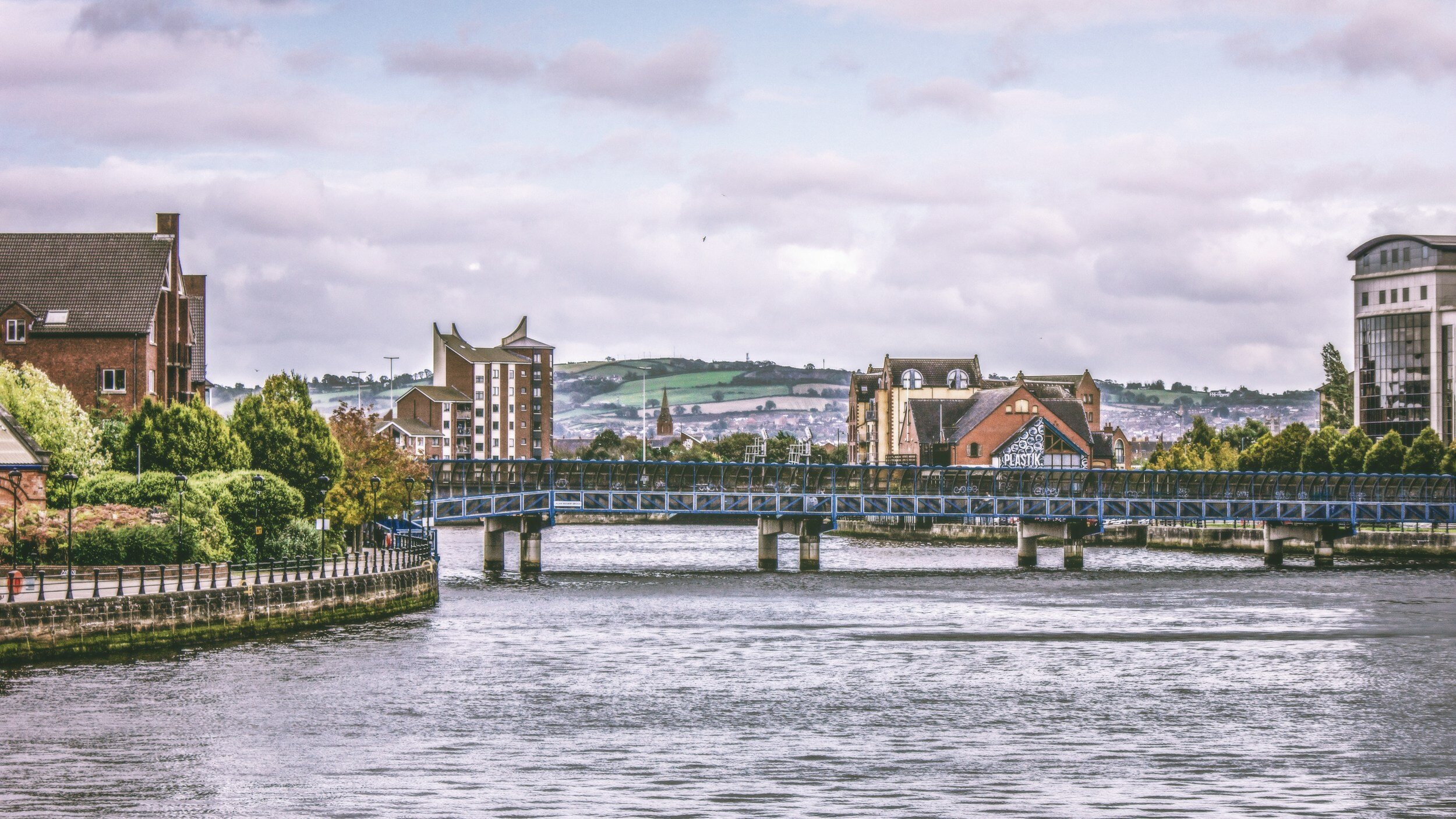
Northern Ireland
May 15 - May 23, 2025
10 seats remaining
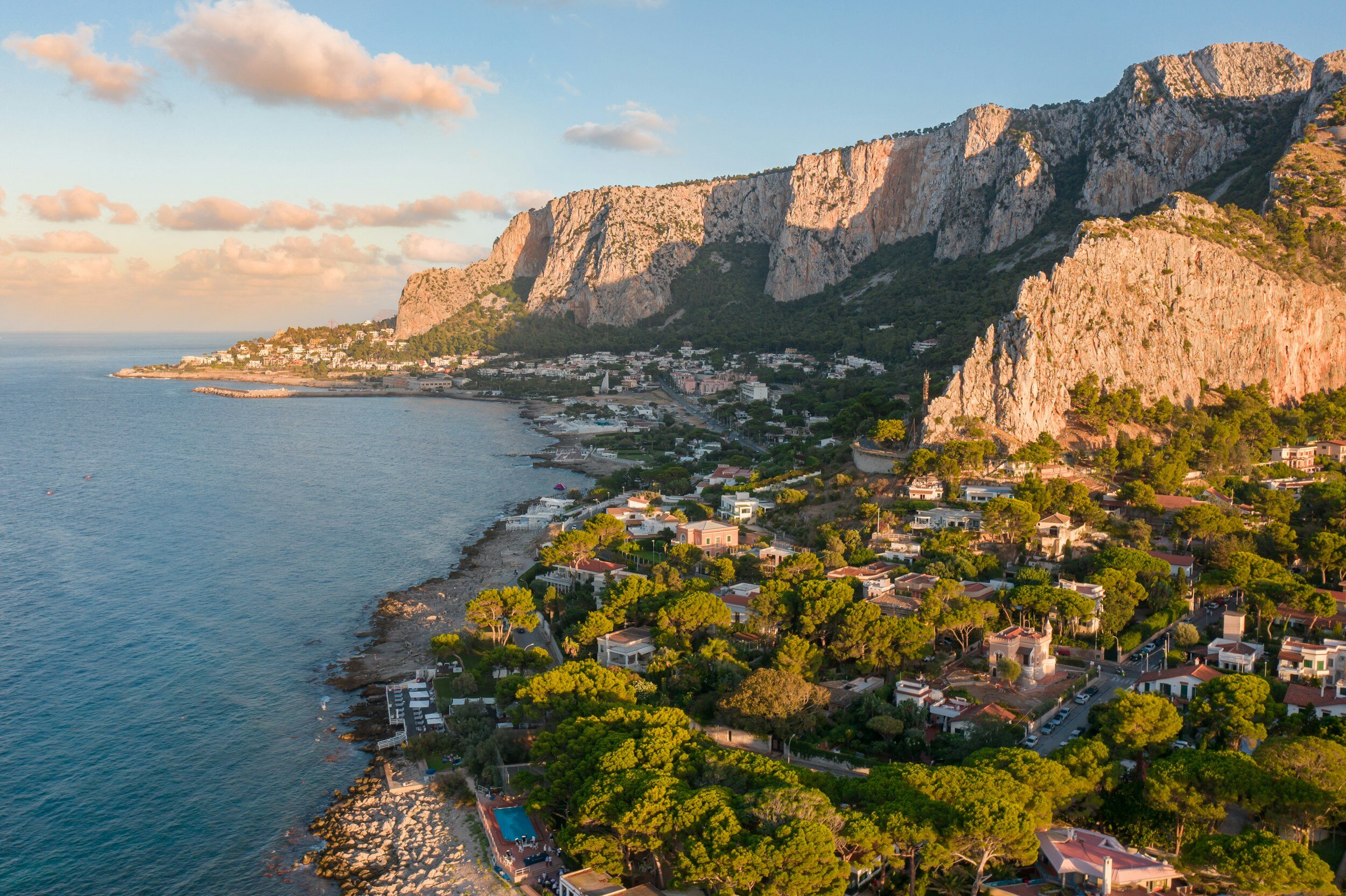
Sicily, Italy
May 28 - June 3, 2025
12 seats remaining.
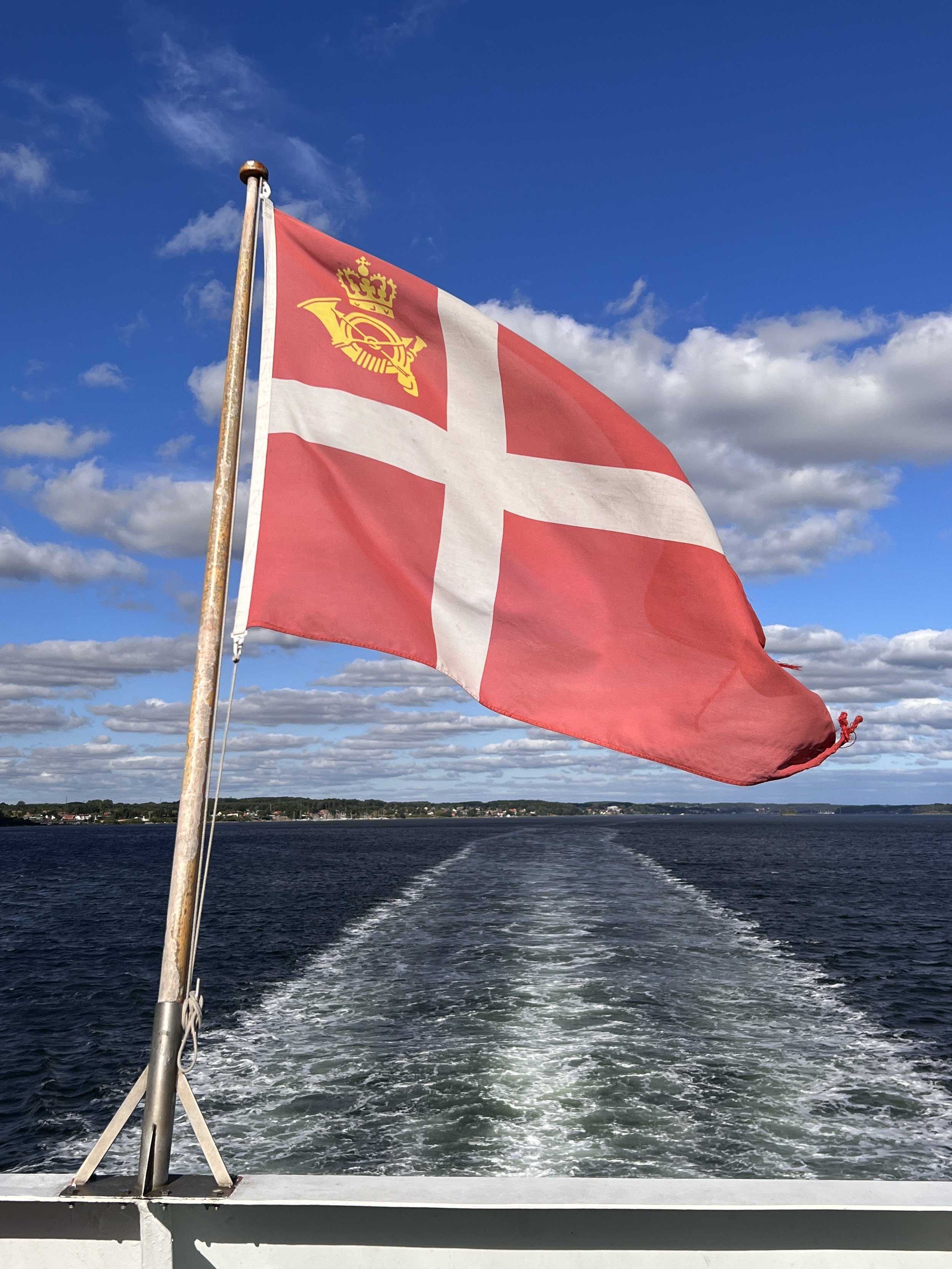
Denmark
August 20 - 27, 2025
12 seats remaining
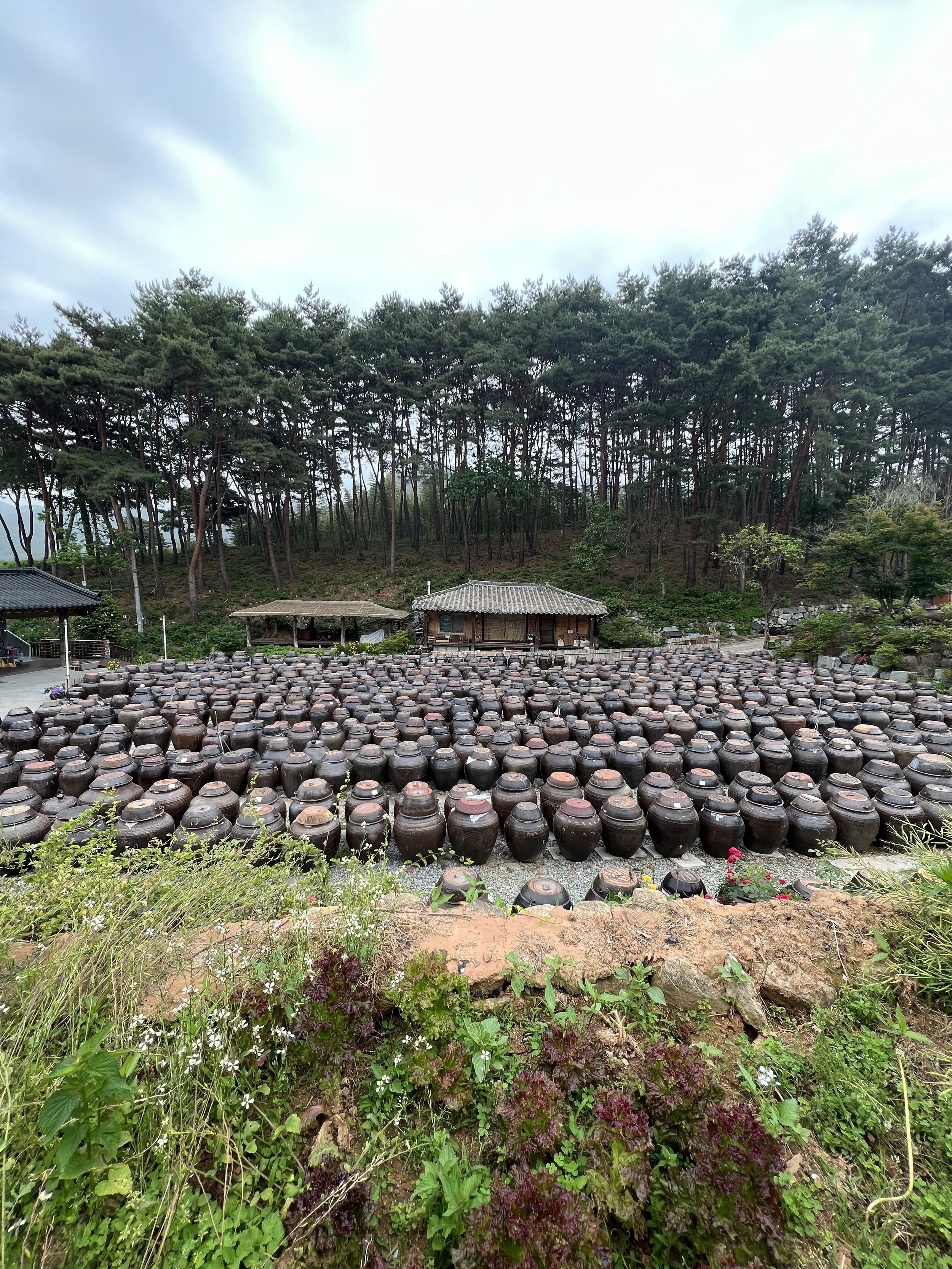
South Korea
May 20-29, 2025 - SOLD OUT
June 3-12, 2025 - SOLD OUT
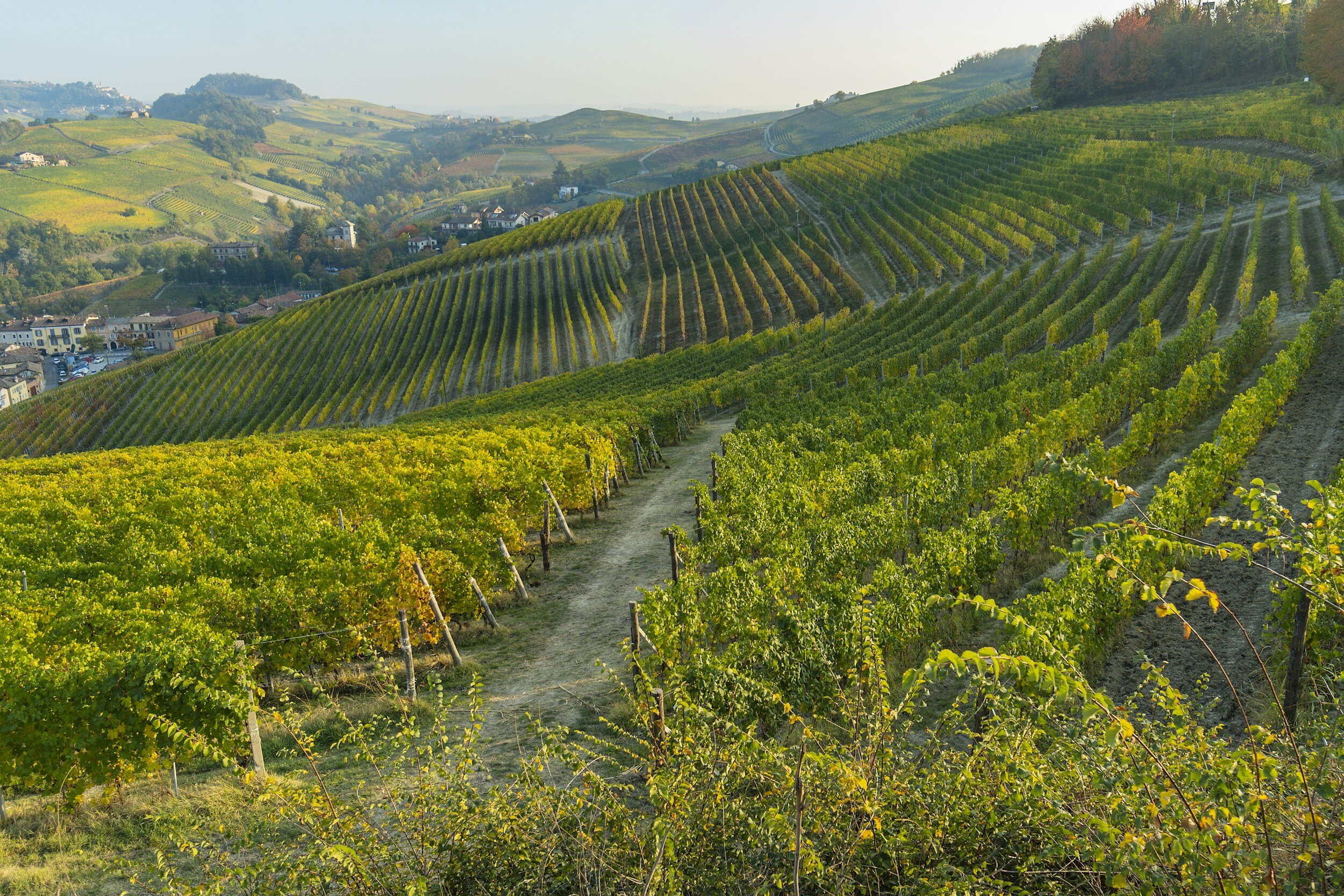
Piedmont, Italy
September 3-10, 2025
10 seats remainig
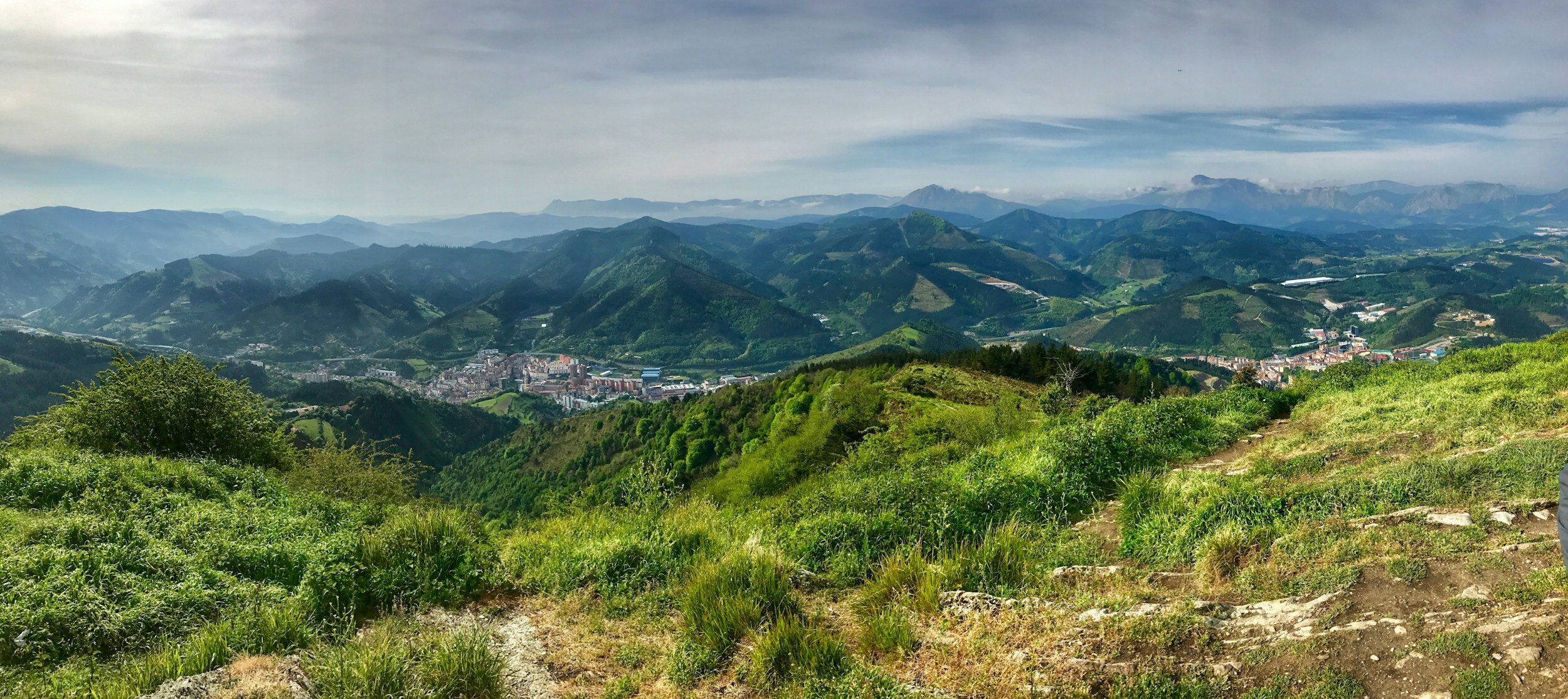
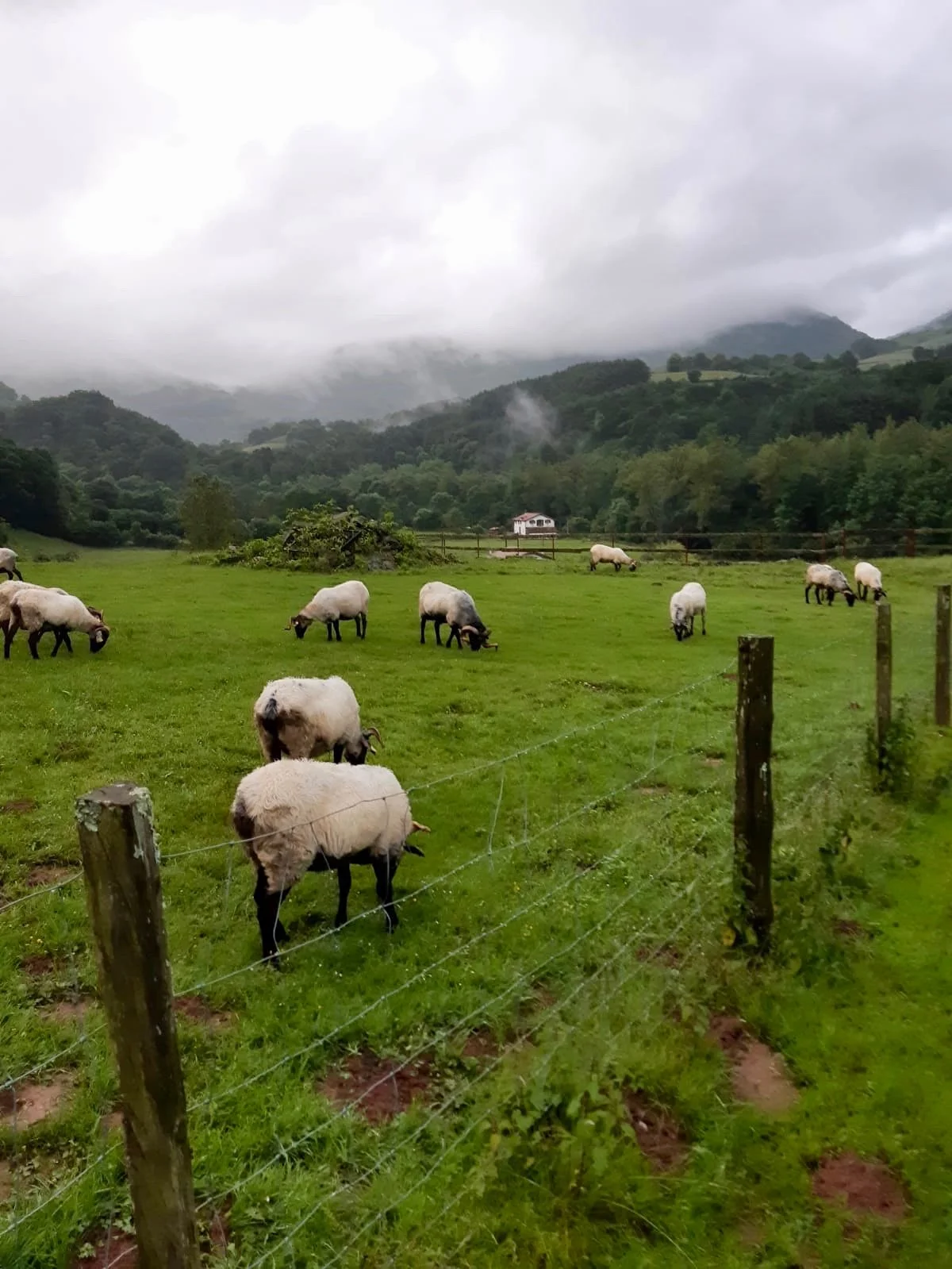
Basque, Spain
October 4-12, 2025
12 seats remaining
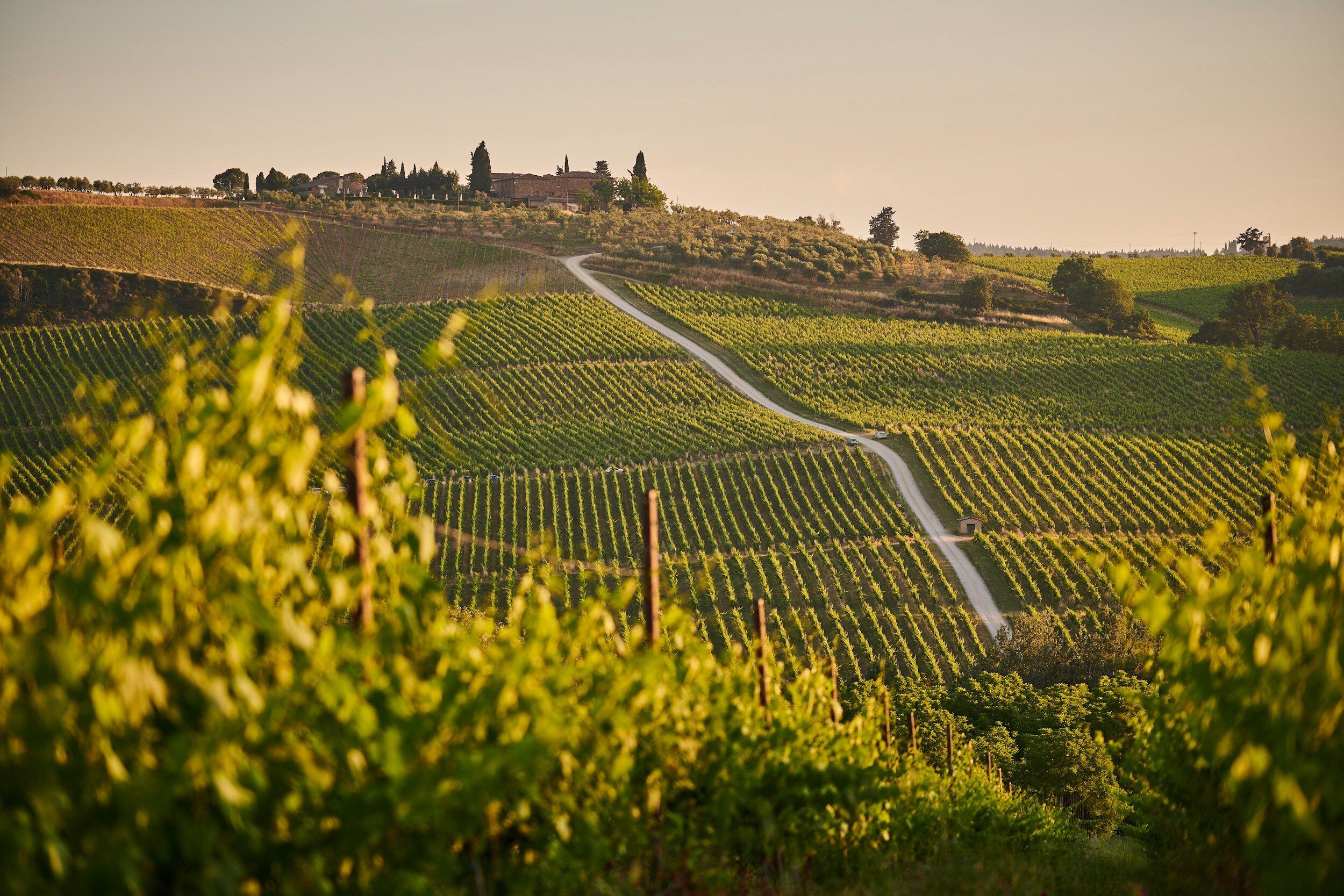
Tuscany, Italy
October 6-12, 2025
12 seats remaining
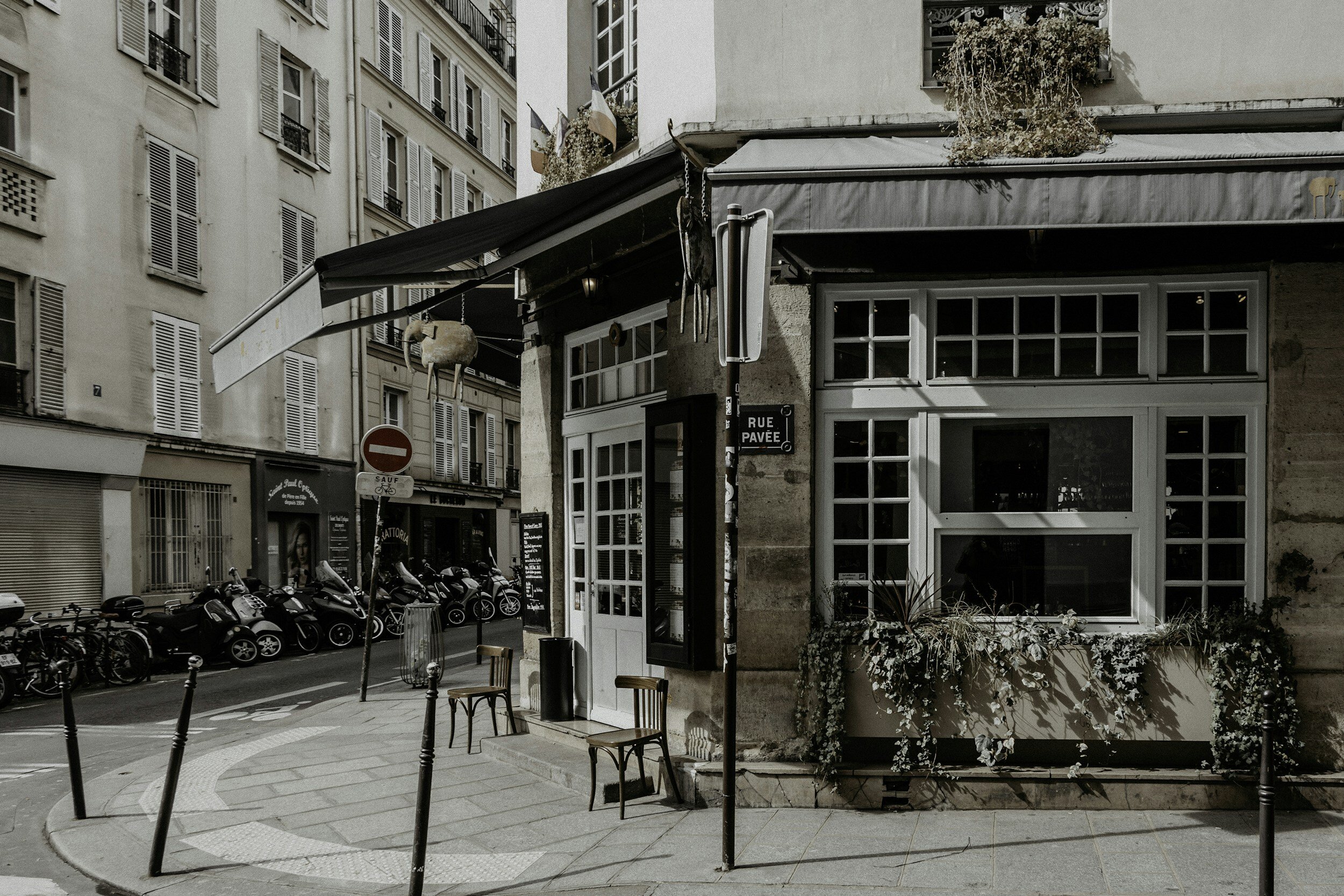
Paris & Champagne, France
October 17 - 24, 2025.
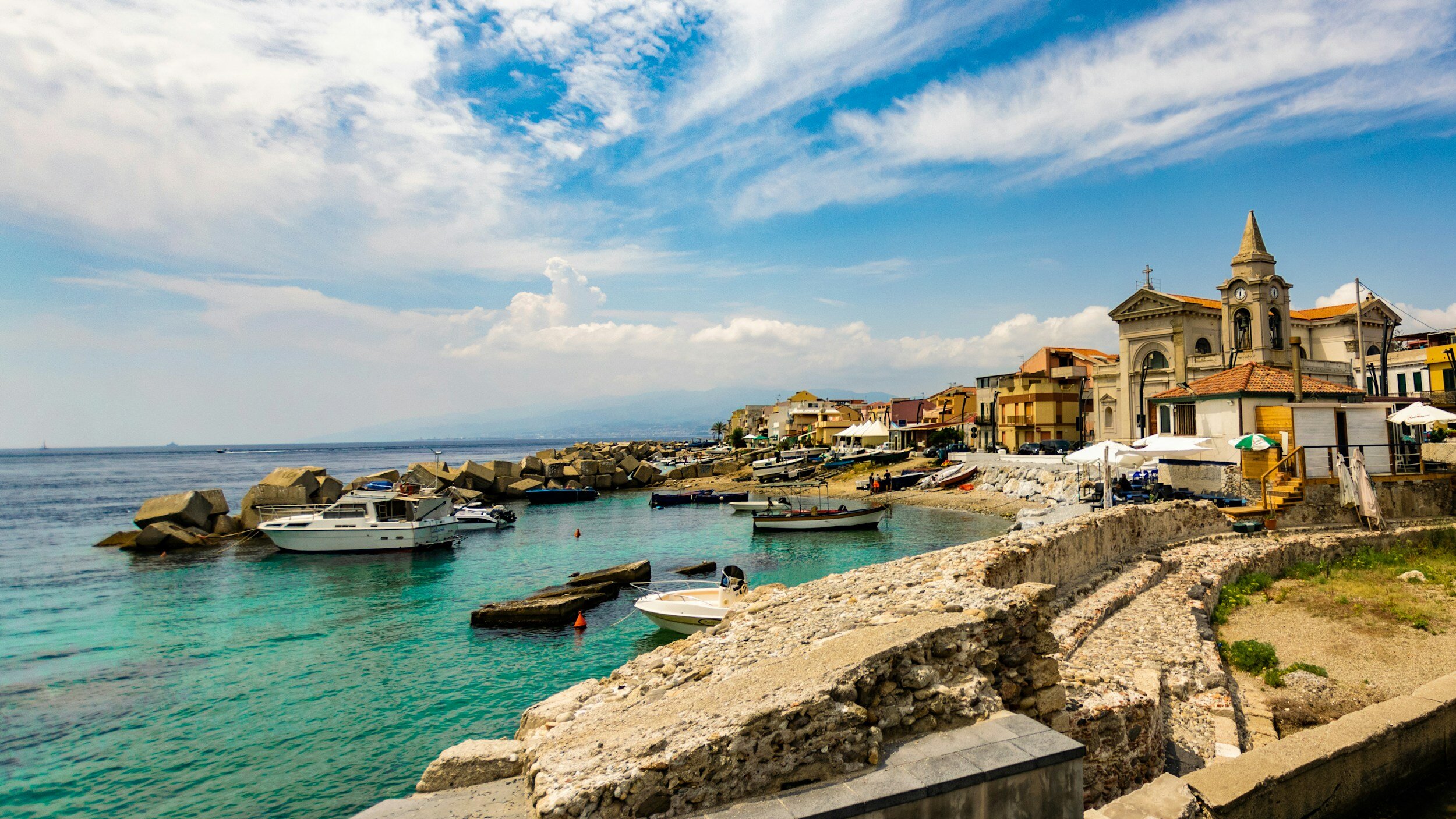
Sicily, Italy
October 19 - 26, 2025
12 seats remaining
Our tour activity requirements can vary by itinerary. To truly experience the program and destination, you need to be able to participate in physical activities the most common which are: walking distances of one to two miles, potentially over uneven ground (farms/vineyards) and cobblestoned streets; able to climb stairs, in and out of buildings, motorcoaches, to higher levels of towns; and periods of standing for classes and demonstrations. We use public transportation in most major cities, so fast-paced motion is required.
We try to plan an itinerary that blends some longer days with shorter days and more leisure time to help rest, though some tours may have multiple two to three days of activity.
f you have any concerns about the pacing or physical requirements on any of our tours, please contact us and we can speak with you to determine if the tour is right for you.
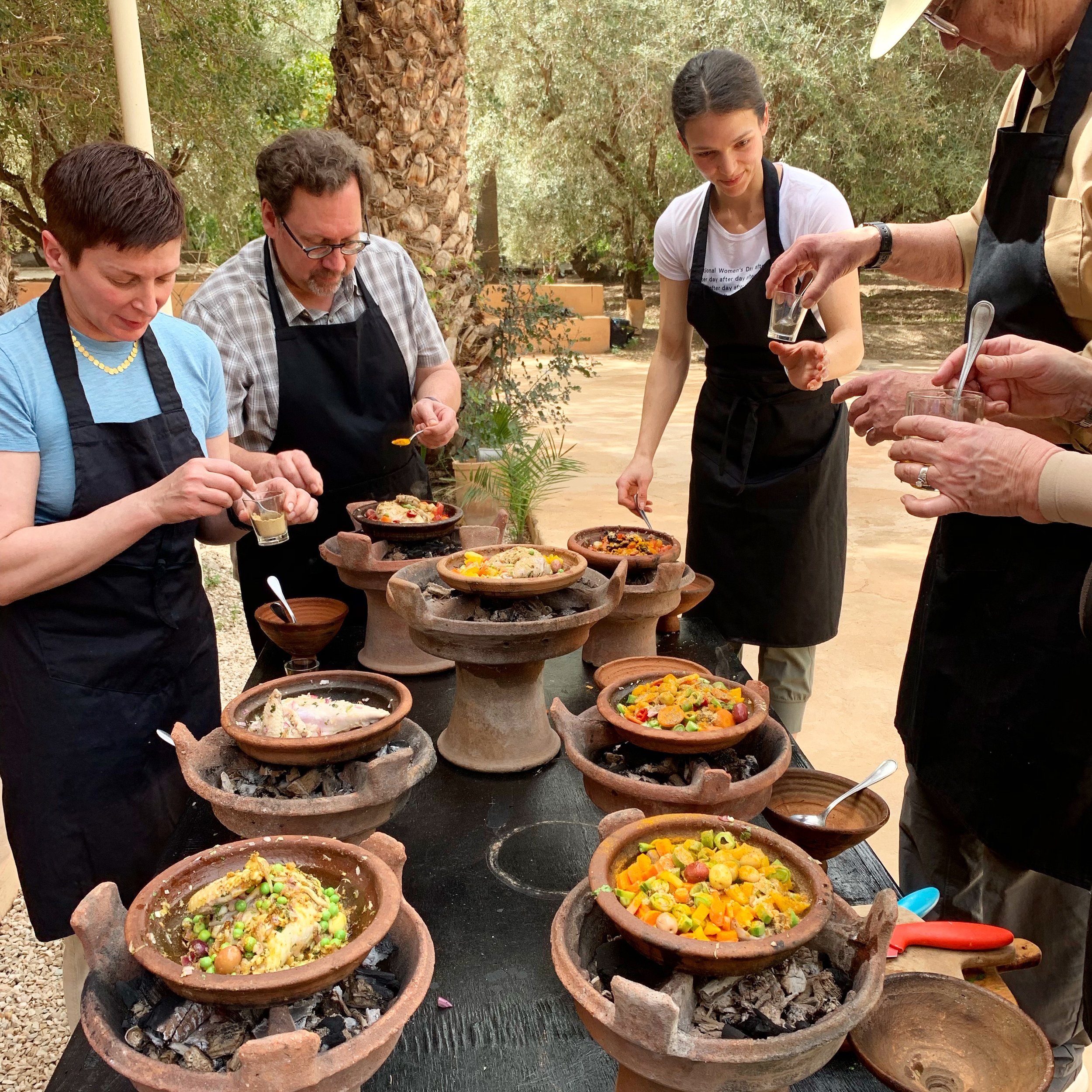
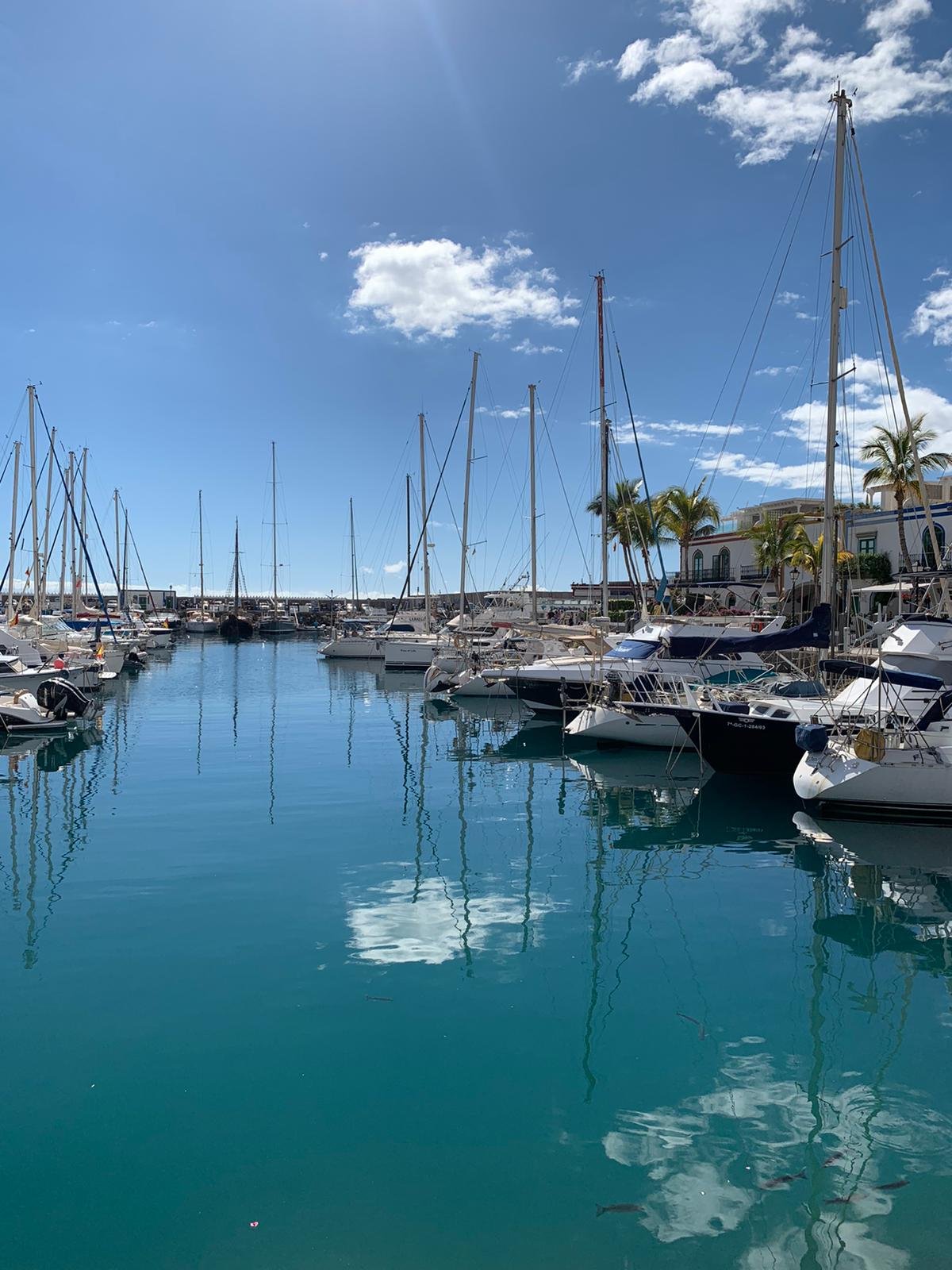
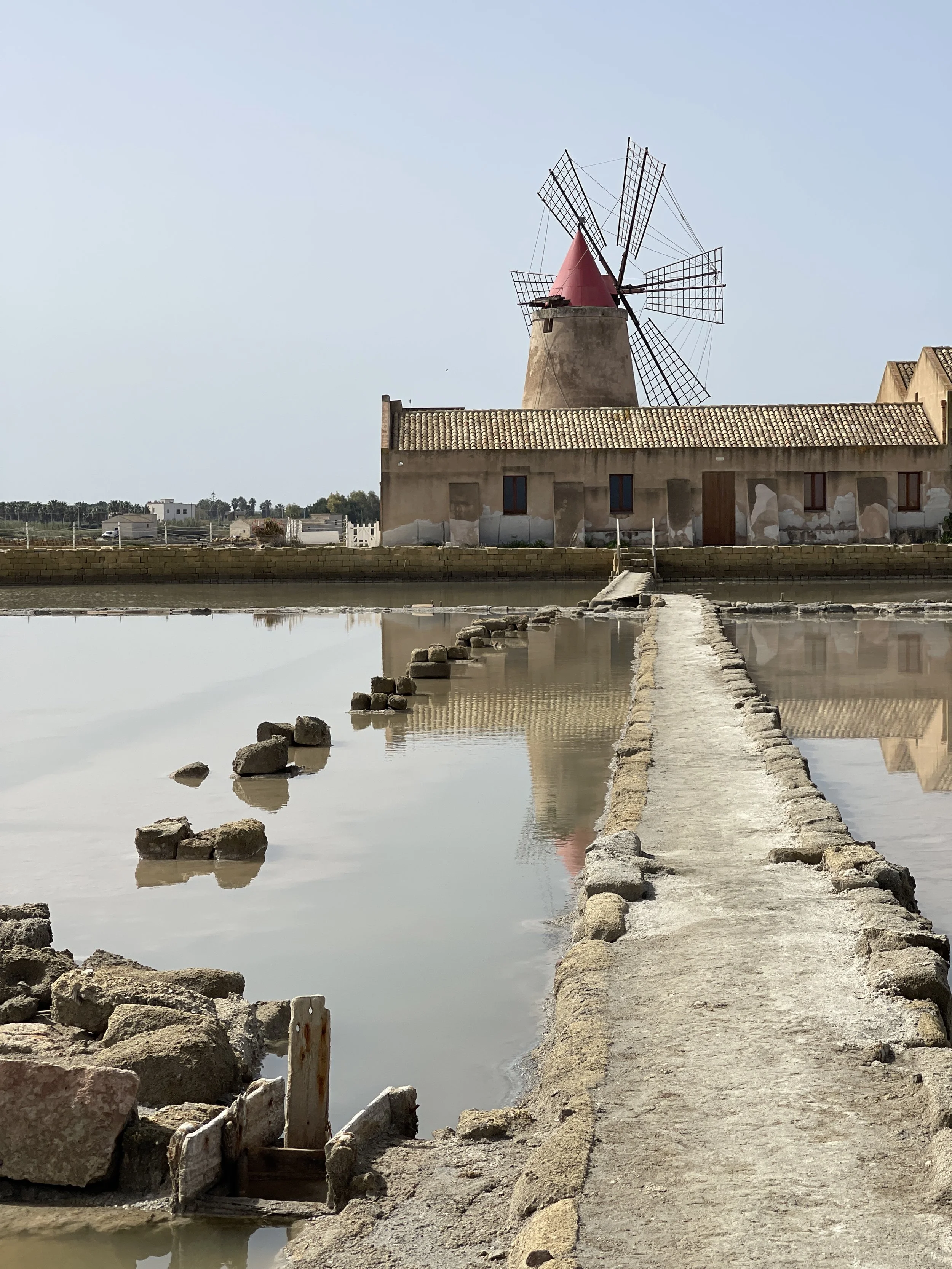
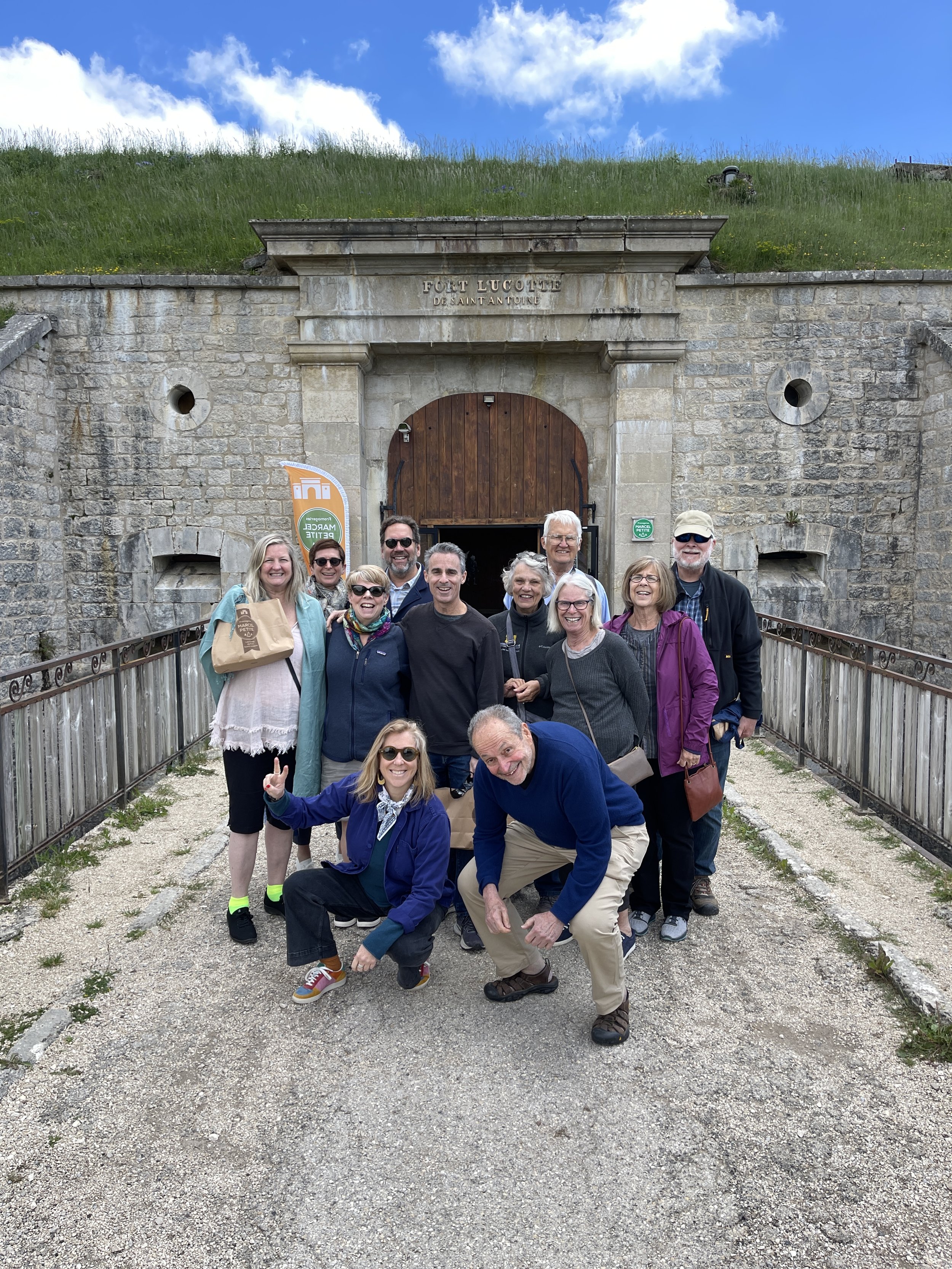
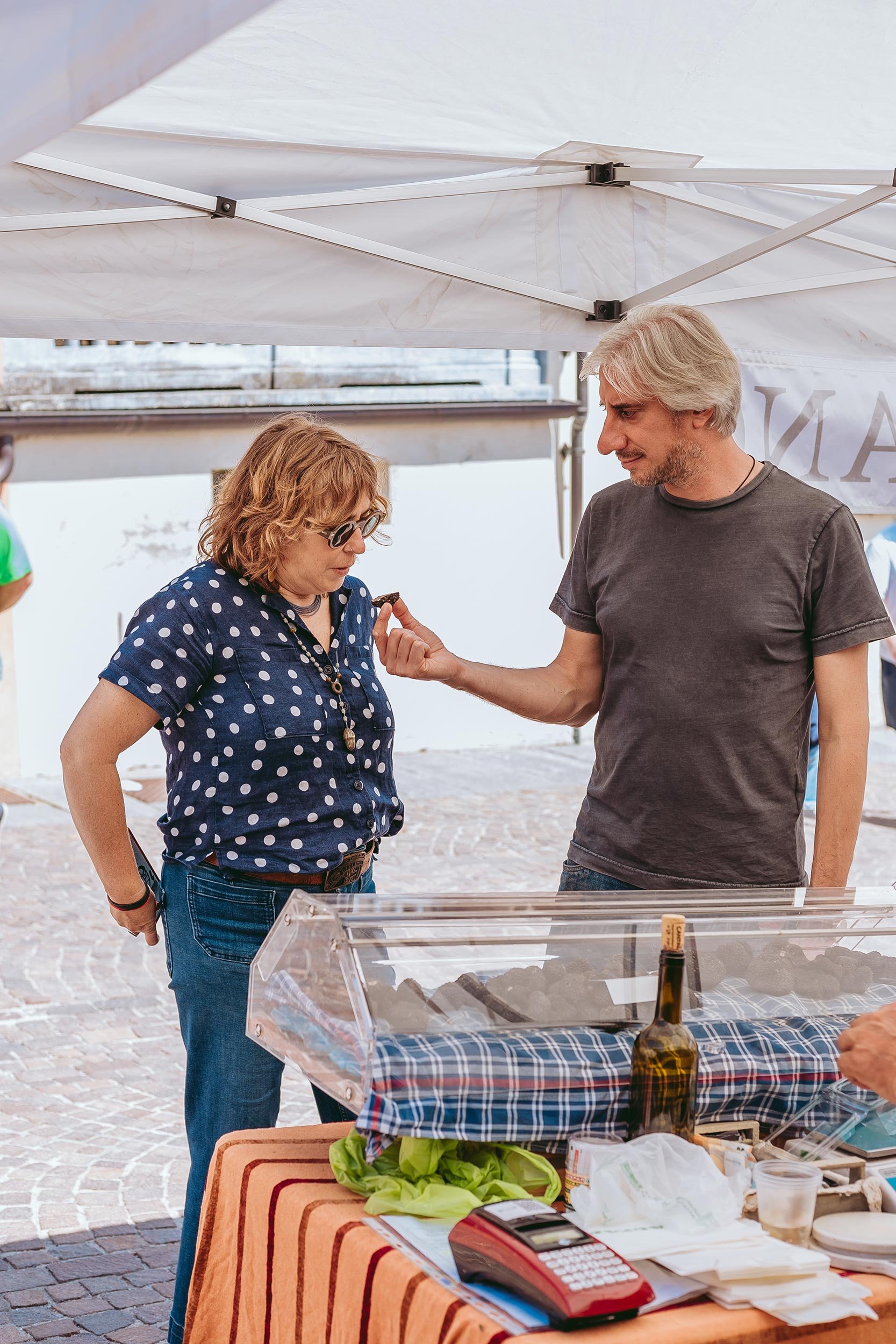
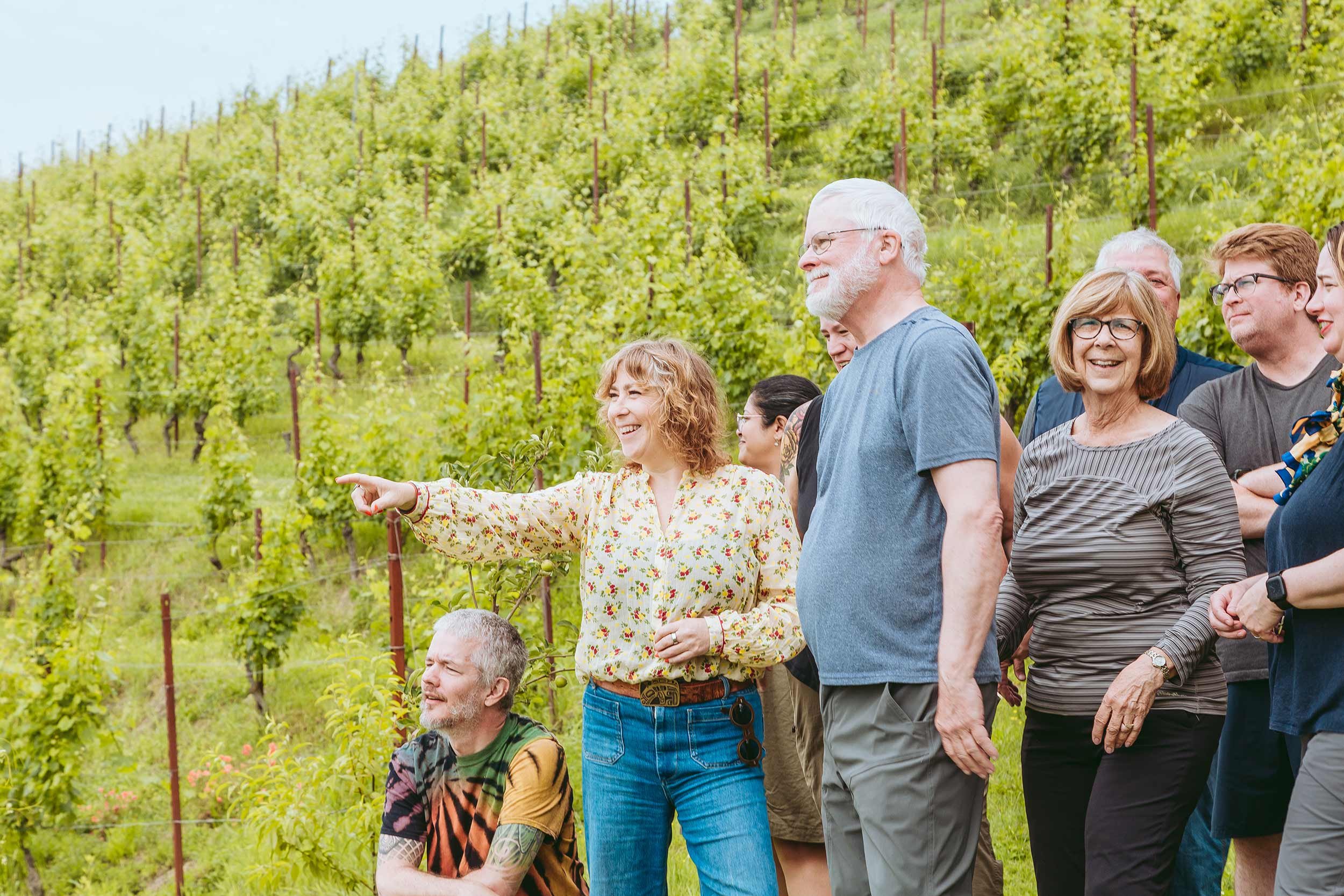
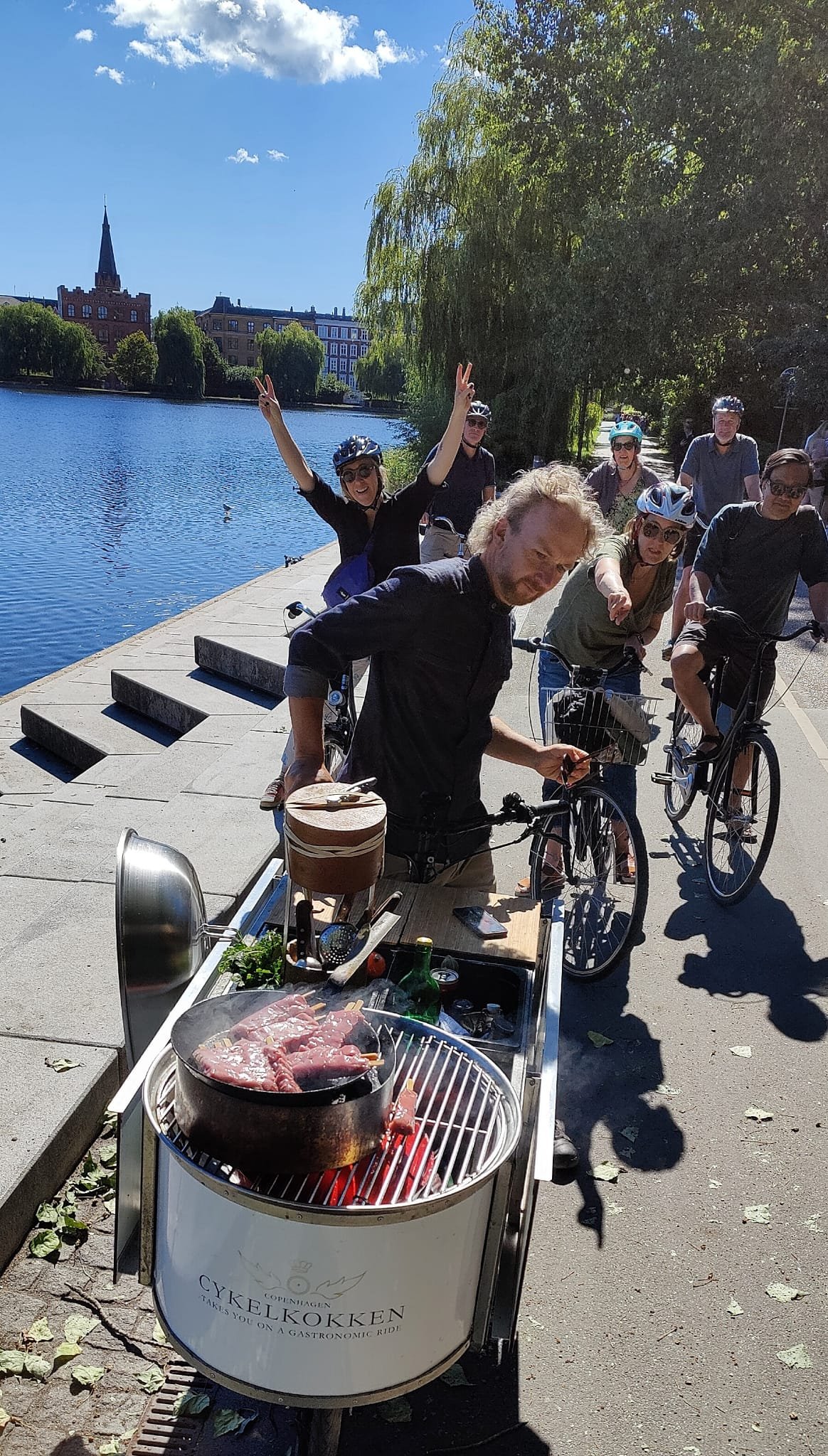
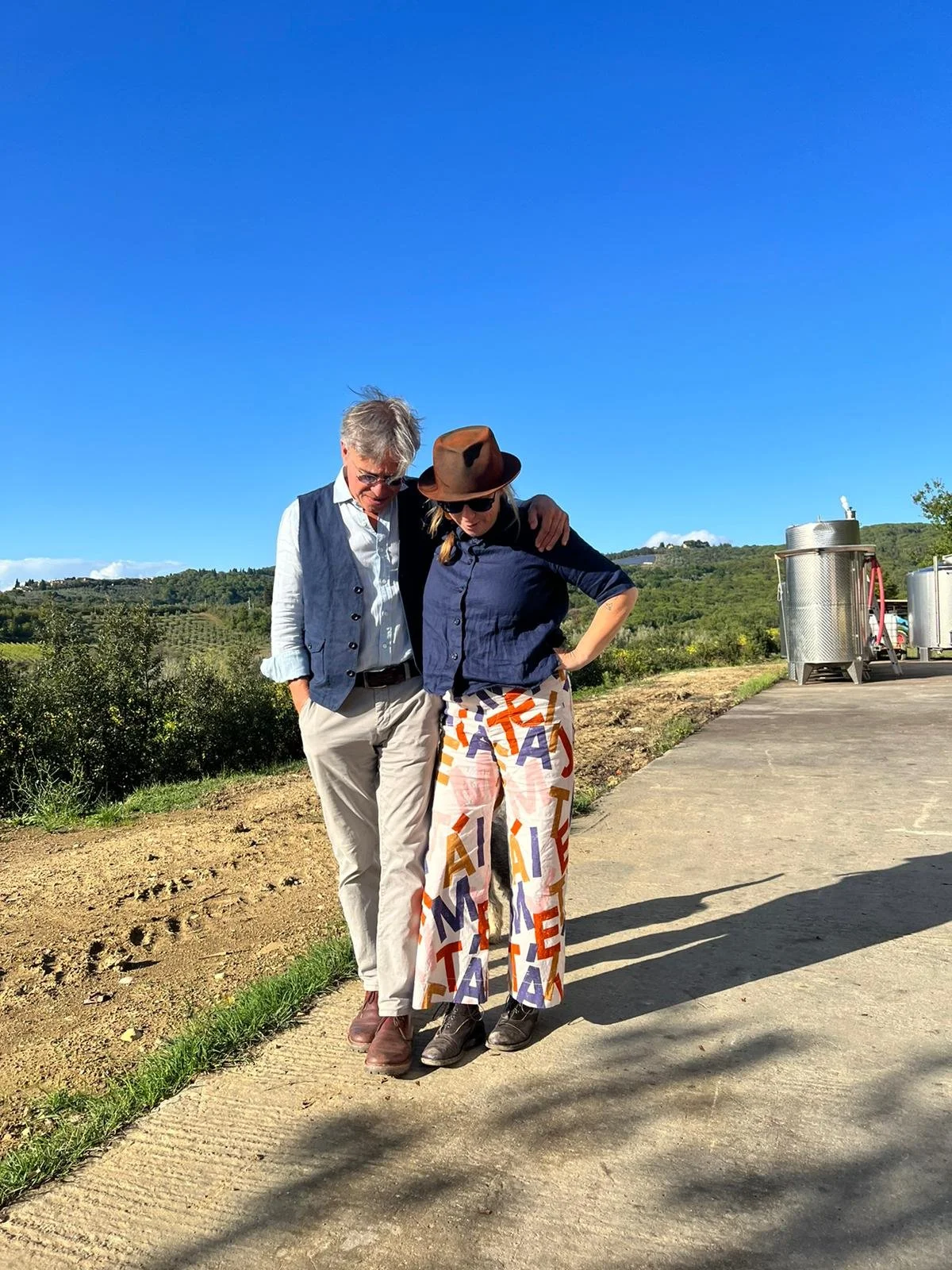
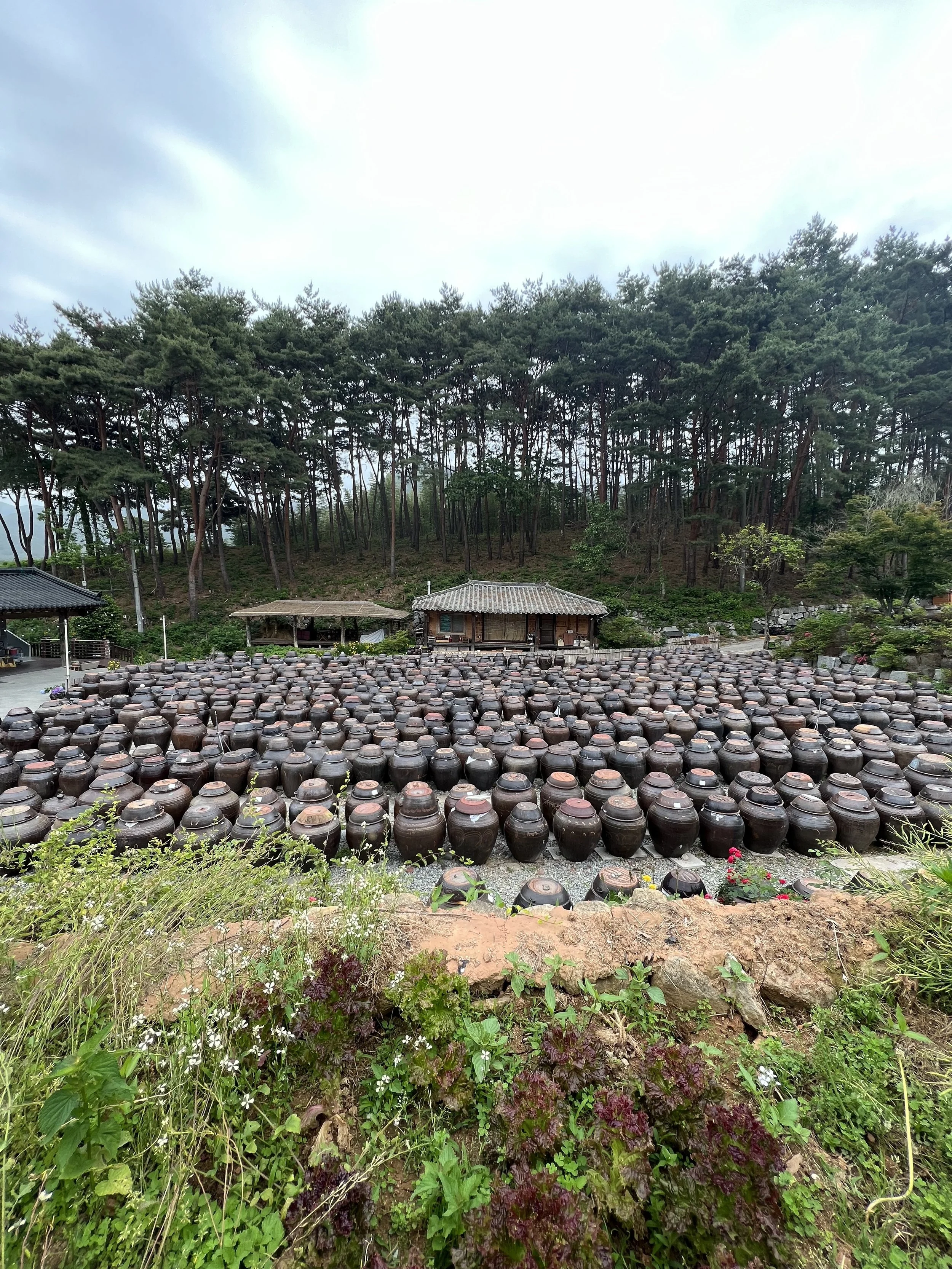
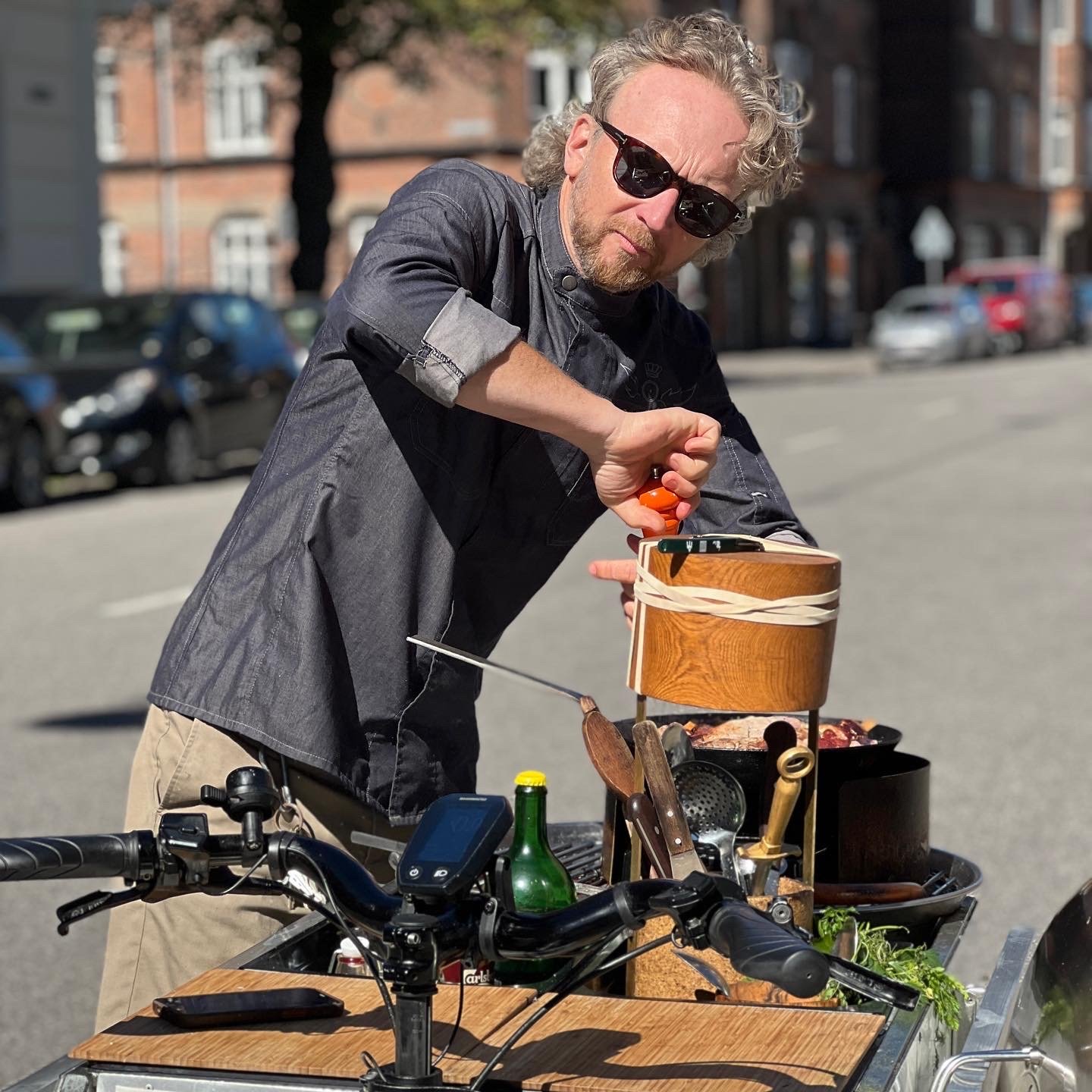
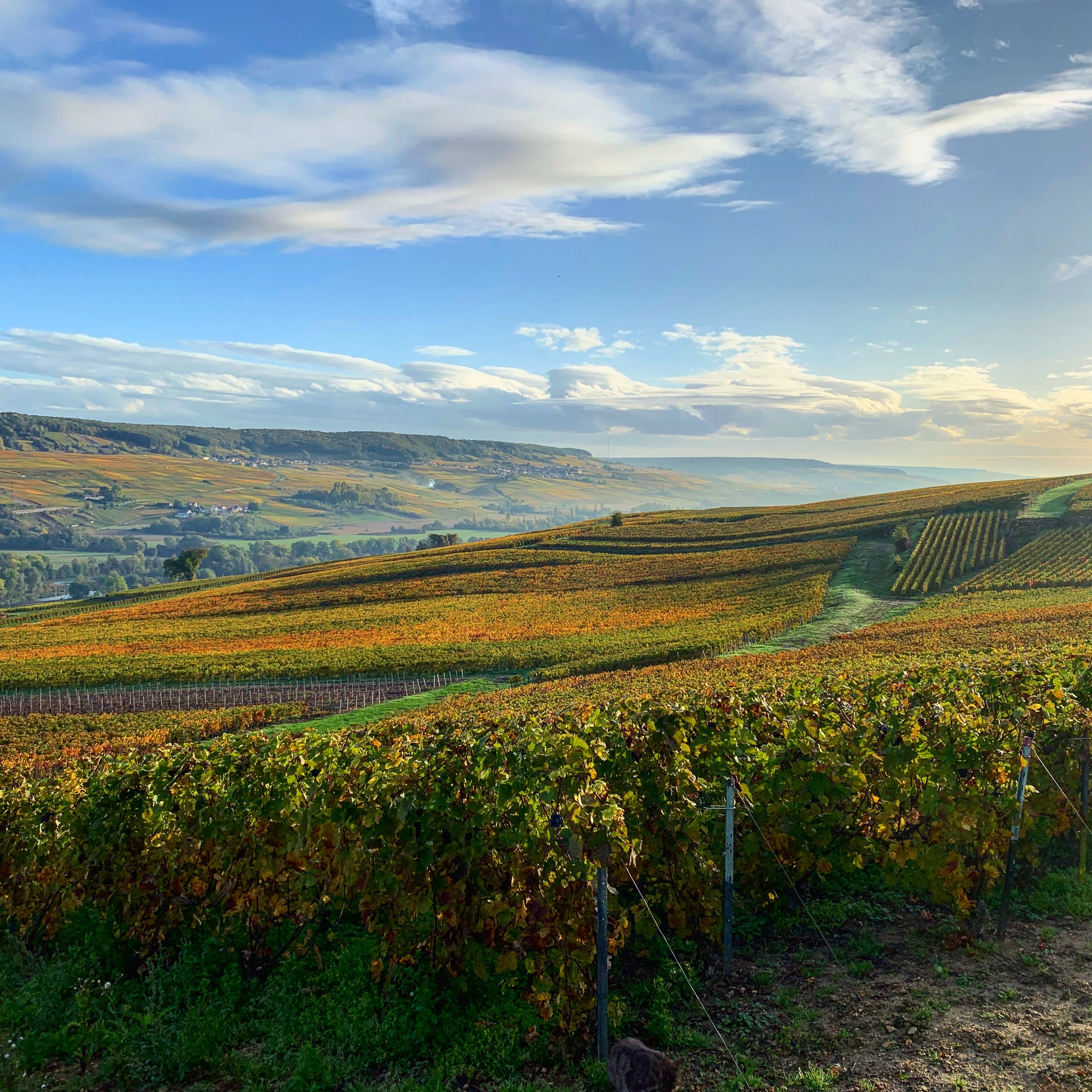
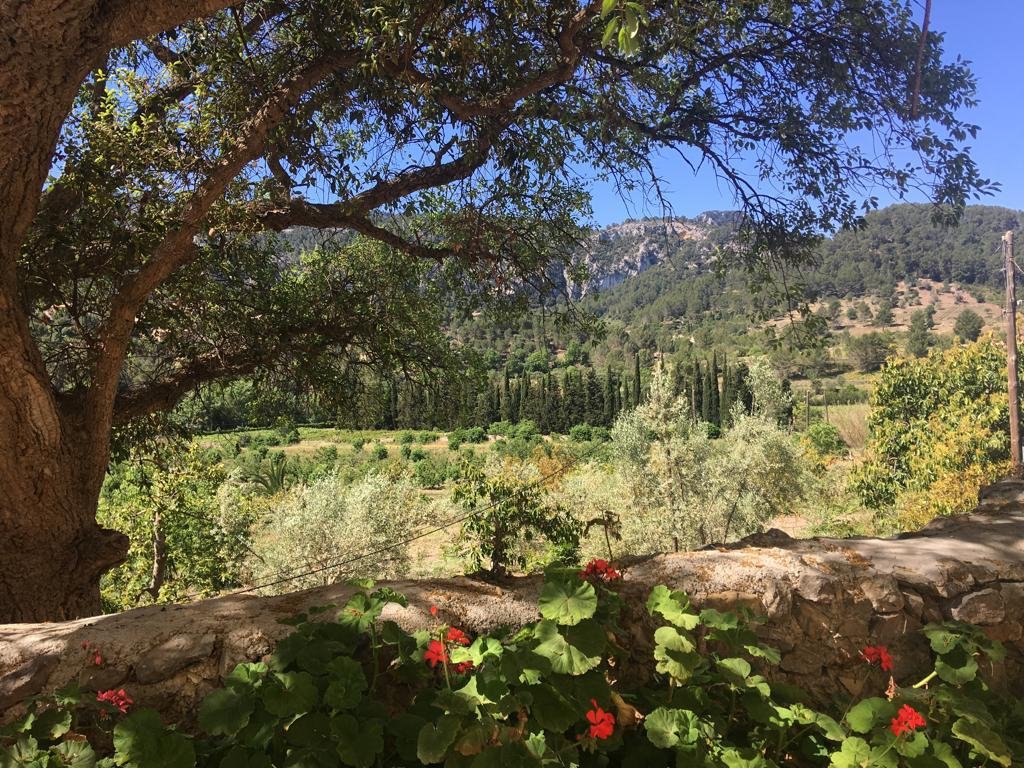
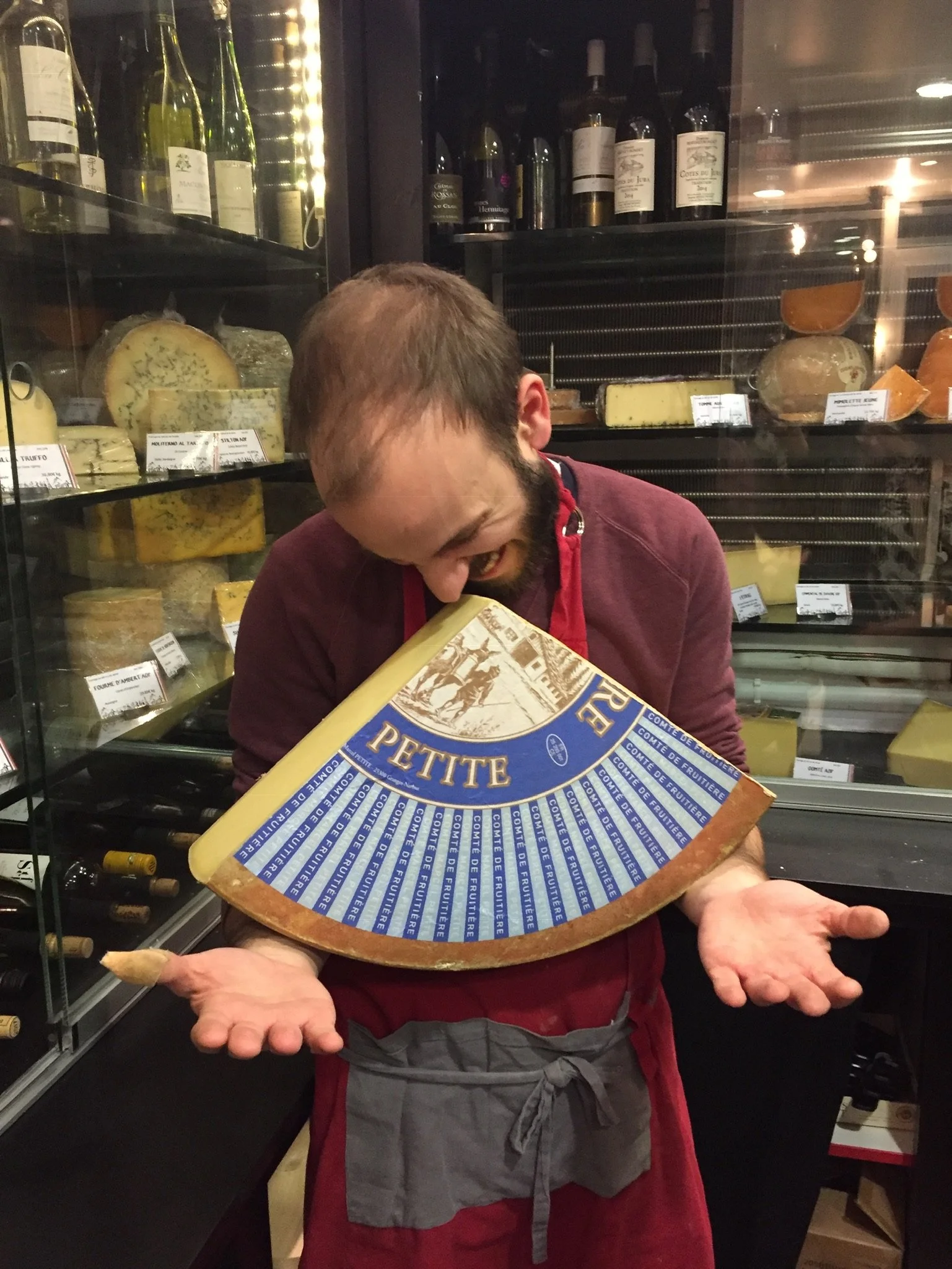
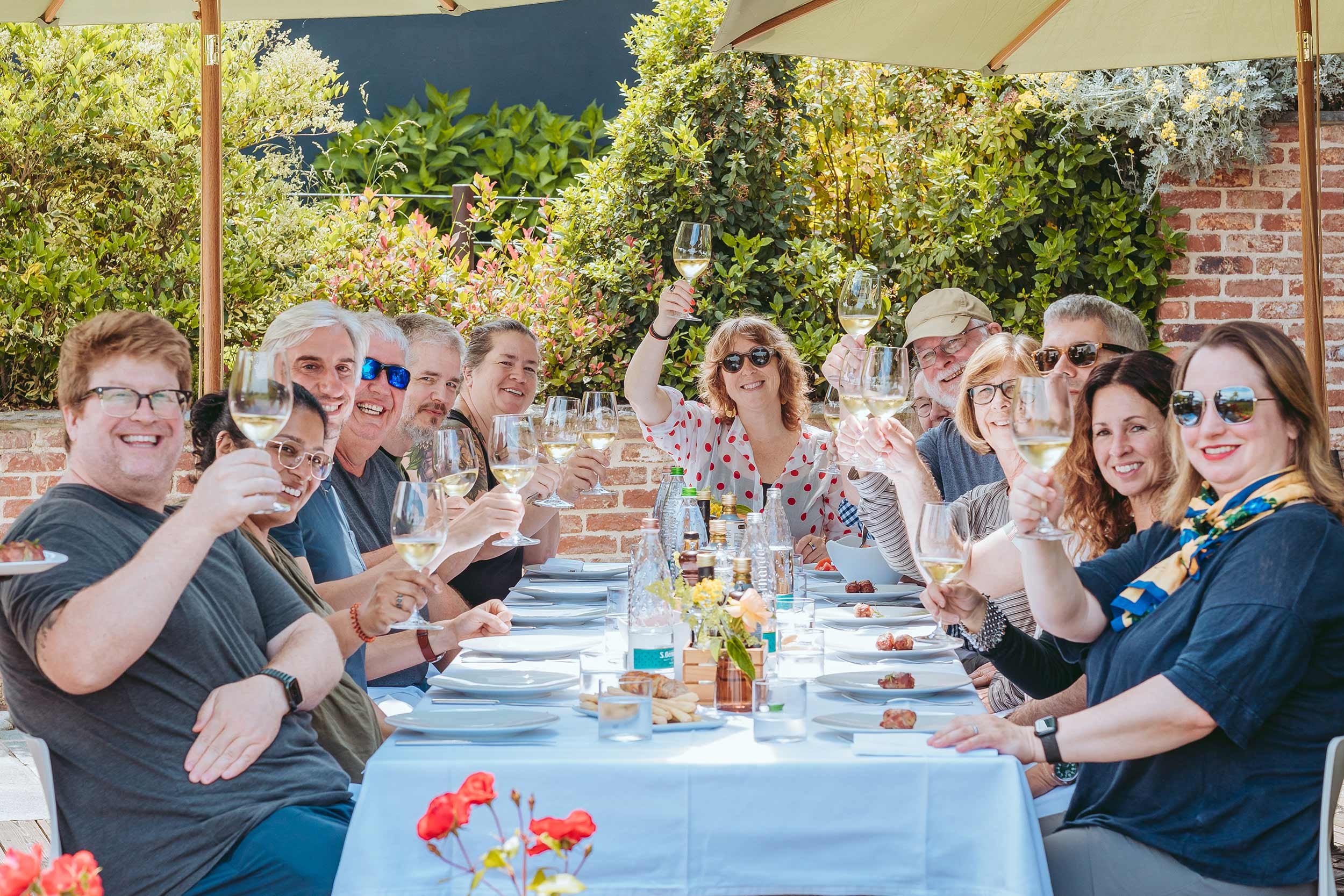
Follow us on Instagram @zingermansfoodtours
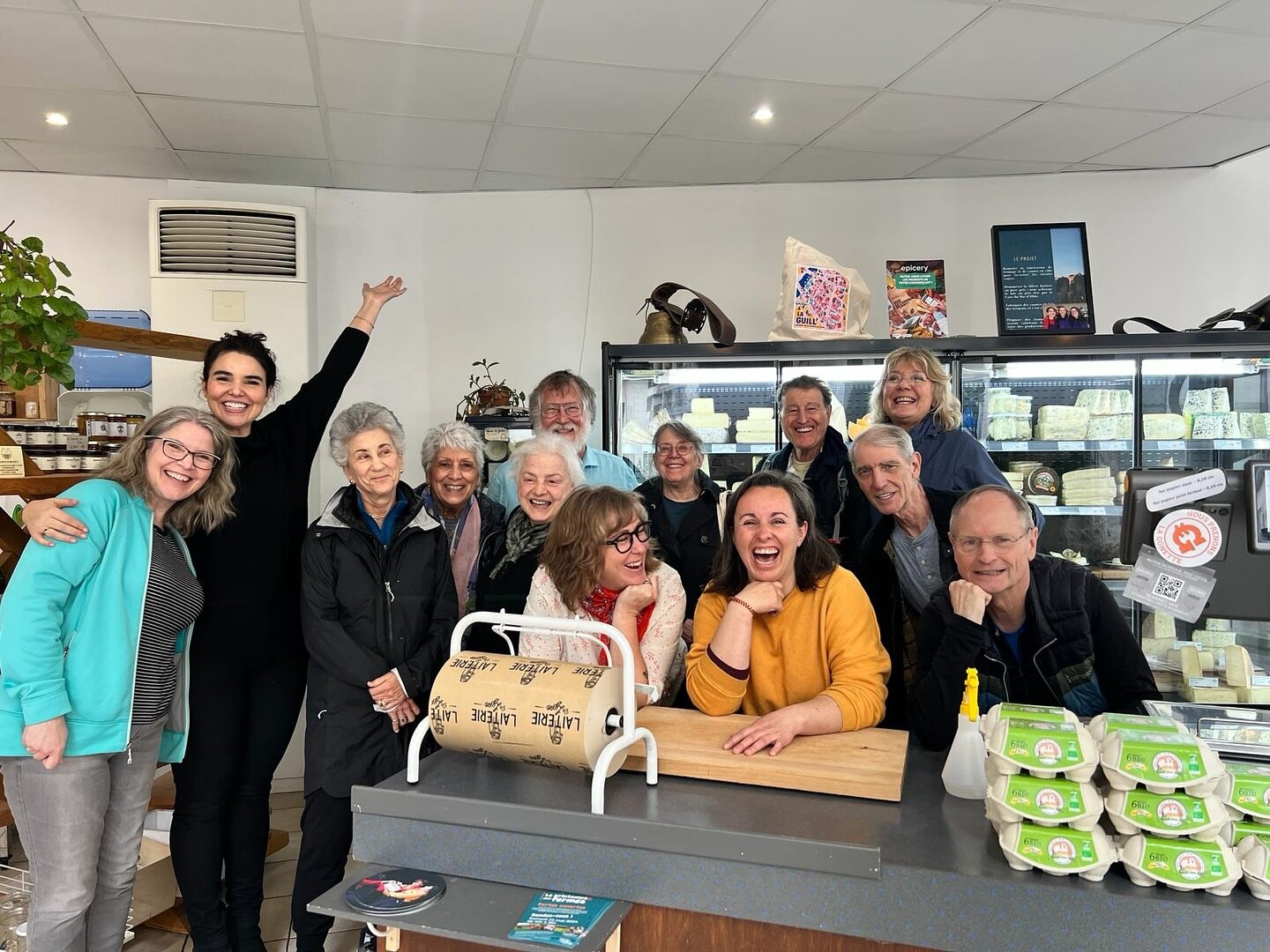


Don’t Miss out
See recent trip updates and stay in touch with us on our voyages. And hear about our new trips, local events, and special offerings first!