Why Our Tours Result in Real Connections (Not Just Great Photos)
/My parents were in their 50s the first time they ever left the country. So were my in-laws. And it happened because, at 30 years old, my husband and I decided to get married in Jamaica.
John and I were bringing together two families that were VERY different. We thought putting everyone on neutral ground, at an all-inclusive resort where all of us would be experiencing new things together, might be the best way to do it.
Getting there was stressful. Being there was genuinely fun.
And seeing my conservative parents cliff diving in Jamaica remains one of the great, once-in-a-lifetime experiences of my life.
I think about that trip differently now than I did at 30. My parents were in their 50s then, older than I am today. Until that trip, the world outside the United States was something they had mostly experienced through newspapers and the nightly news. And the places that make the nightly news aren't usually being featured because everyone is having a lovely day.
Today, the world feels much more accessible.
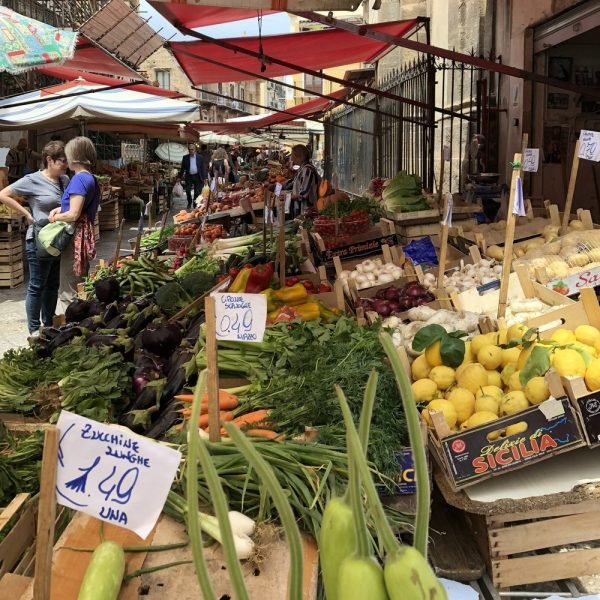
For all the things we can criticize about the internet, social media, and the phones that are rarely more than a few feet from us, I think this is one of the gifts of modern life. We can see what people eat halfway around the world. Hear their music. Walk virtually through their neighborhoods. Translate their language. Find the train station. See the inside of the hotel. Talk to someone who lives there.
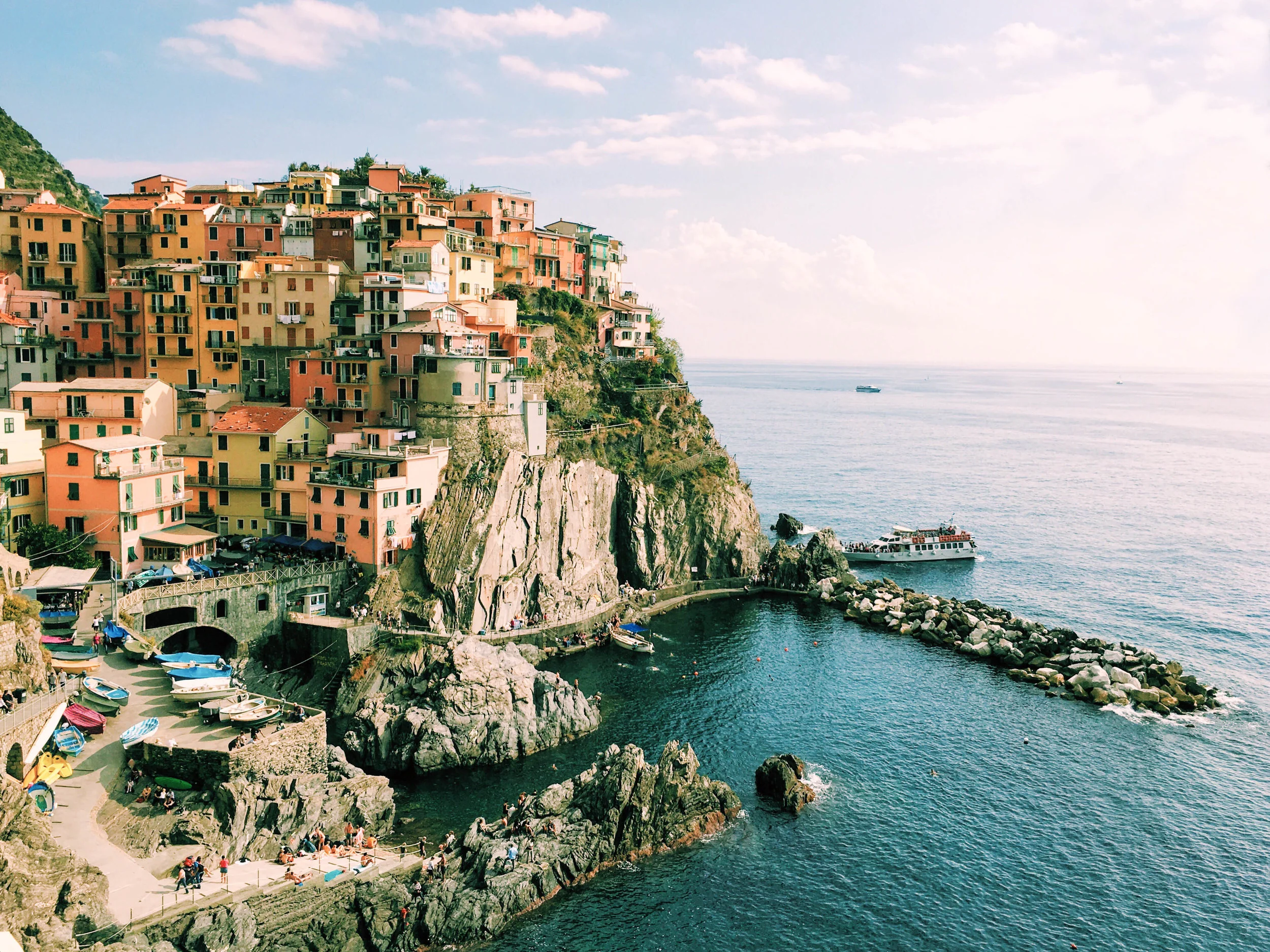
Places that were once just names on a map, or the location of something troubling on the evening news, can become real.
And then you travel there.
That's when something even more interesting happens.
One of my favorite examples happened in 2022, when a local tour partner helped arrange a home cooked meal in someone’s home.
We were welcomed into the home of a woman named Pnina. Through a translator, we learned about her life, her beliefs, her family, and…equally important, her food. She even made her own olive oil.
Then we cooked.
There we were, a motley crew of Americans, locals, and Pnina, working together in her kitchen. Eventually we did what people everywhere have been doing forever: we sat down and ate together.
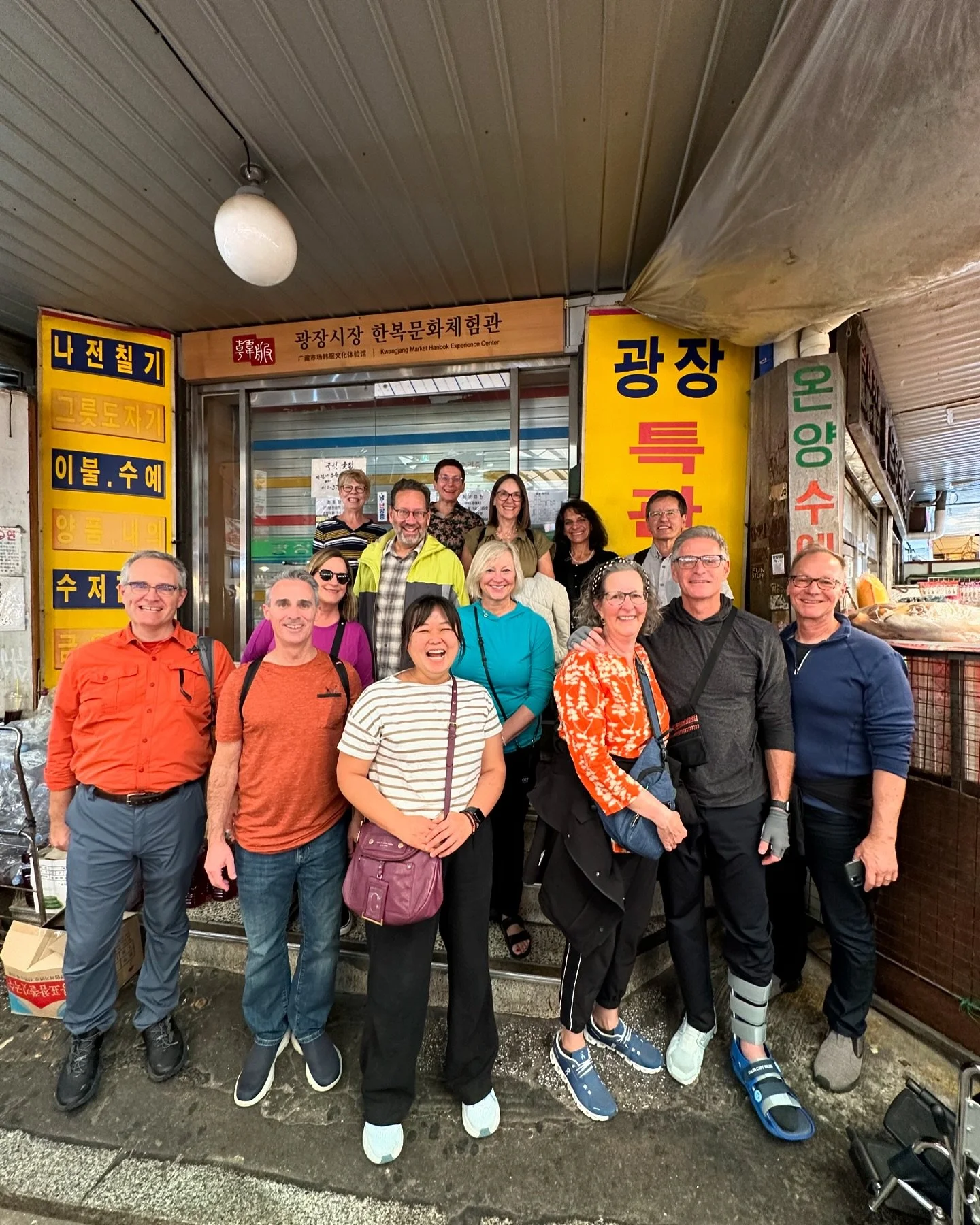
When I look back at the photographs from that day, the differences aren't what I notice. I see big smiles. New friends. Parents. Travelers. Curious people with open hearts and minds.
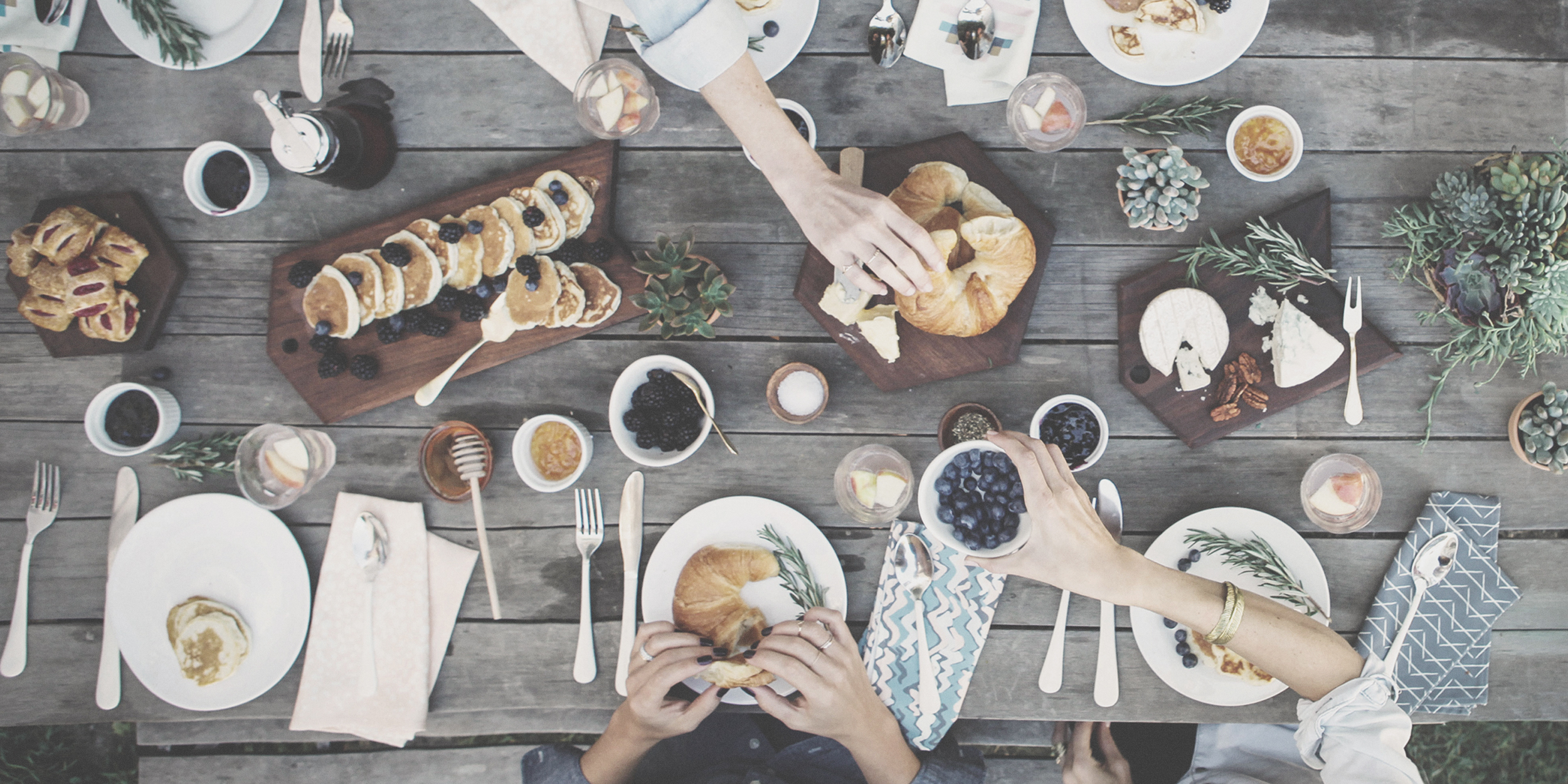
I see people gathered around food.
Travel has never been more accessible. We can find flights on our phones, read thousands of restaurant reviews, translate a menu in seconds, and build an entire itinerary without talking to another human being.
But you can't book a relationship on Tripadvisor.
That's what makes Zingerman's Food Tours different. Our trips are built on relationships developed over years with farmers, food producers, chefs, artisans, guides, families, and friends. Those relationships give us access to experiences you simply can't find on your own.
You don't just taste the olive oil. You meet the woman who made it.
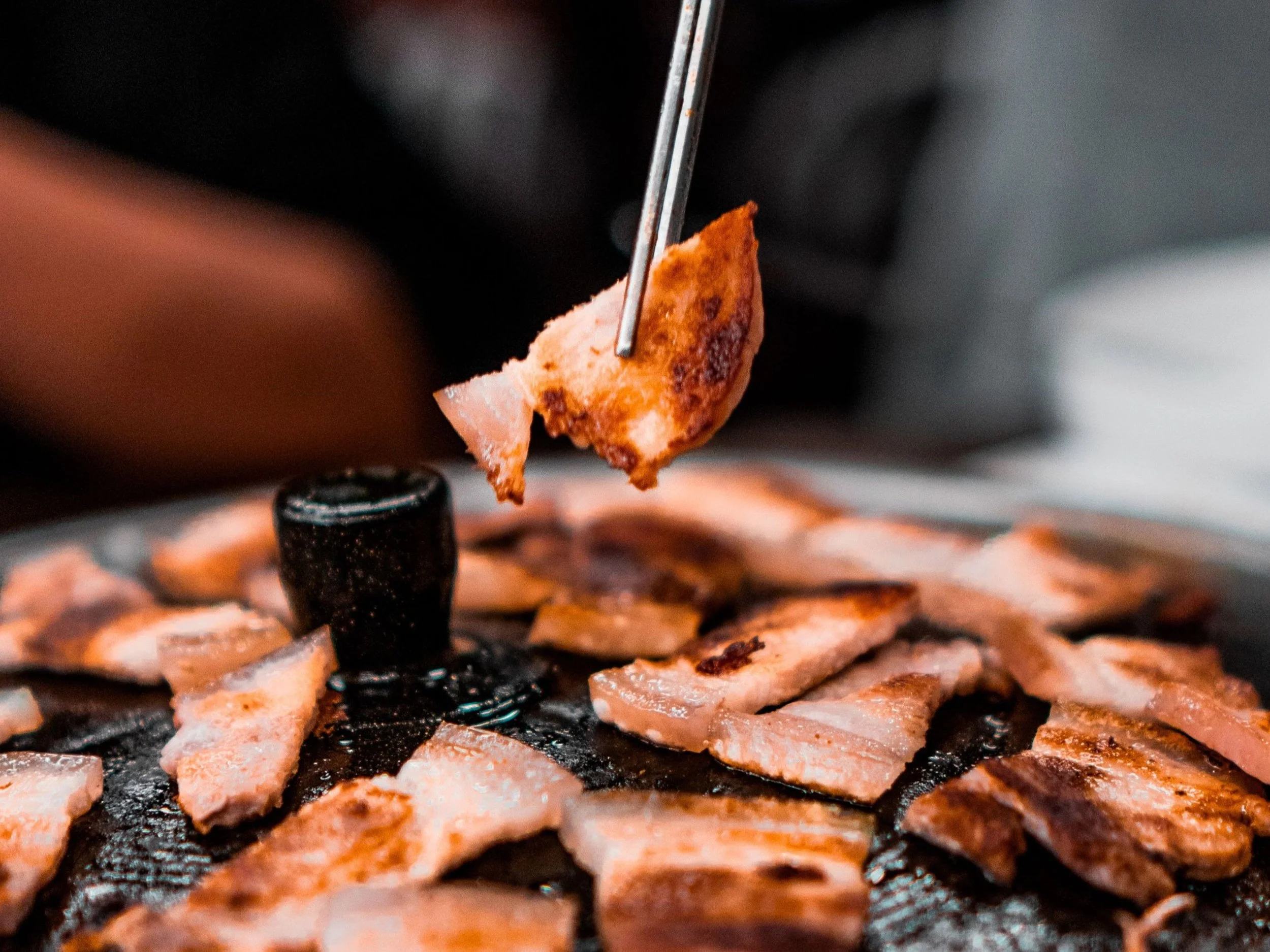
You don't just eat the food. You stand in someone's kitchen and learn how to make it.
And you don't simply learn about another culture. You sit across the table from someone who lives it.
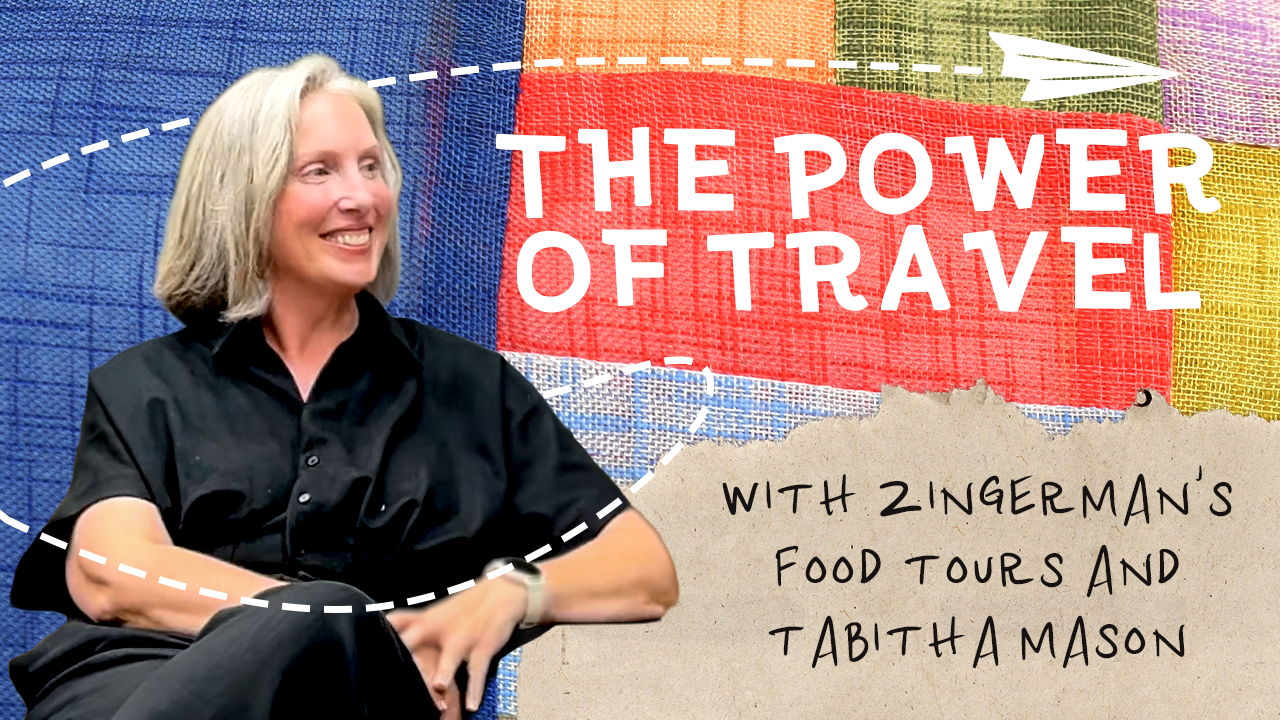
Guiding has made me more curious, more confident, and less afraid. And that's what I get to help create for other people on our Food Tours: a chance to step outside their comfort zone a little, if they want to. To learn a new skill. To experience something they've only read about.
And it doesn't have to be intimidating. There isn't one right way to see the world. For every faraway adventure we take, others let you take baby steps out of your comfort zone. Part of our job is helping people find the experience that's right for them and then making them feel comfortable enough to be uncomfortable once in a while.
Because the world does something funny when you experience it that way.
It gets bigger and smaller at exactly the same time.
The more places I go and the more people I meet, the more I see what we have in common. We eat together. We celebrate together. We worry about our kids. We take care of our families. We tell stories. We laugh. We argue. And everywhere I've traveled, people make food for the people they love.
The details are wonderfully different. The humanity isn't.
If I could go back to my parents before that first international trip and give them one piece of advice, it would be simple: Live it up.
And they did.
My mom became paralyzed the following year. We couldn't have known what was coming, which makes the fact that we took that trip together even more precious to me now.
So see the world. Be curious. Talk to someone whose life looks nothing like yours. Eat their food. Ask questions because you actually want to hear the answers. Let your luggage get lost once in a while.
You might be surprised by how big your world becomes…and how much smaller it feels.
- Tabitha Mason, Zingerman’s Food Tours Guide